
Maintenance is the part of association work that never appears on an agenda until something has already gone wrong. It is also the part that quietly decides how much the community pays over a decade.
Six habits do most of the work. None of them requires a management company, and none of them takes more than an afternoon to start.
1. Know which components are yours
Everything downstream depends on this. Read the maintenance article of your declaration closely enough to notice that it may assign upkeep to one party and eventual replacement to another for the same component. Write the answer as a table, cite the governing section in every row, and publish it where owners can find it. Our post on maintenance responsibilities covers how to read the document and what the common splits look like for fences, roofs, sidewalks, trees and irrigation.
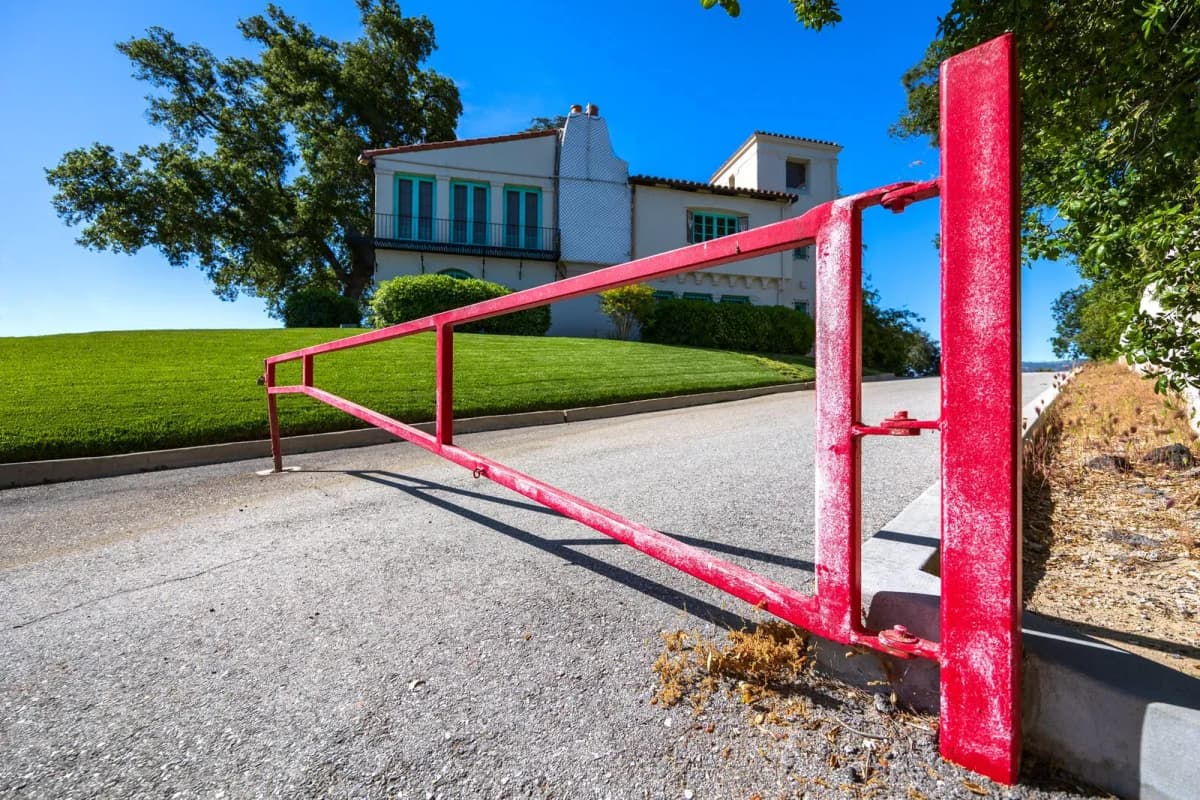
Photo by David Brown on Pexels
2. Bid from a scope sheet, not a phone call
The number of bids matters less than whether they answer the same question. A one-page scope sheet naming the work, the boundary, the finished standard, who supplies what, the schedule constraints and what is explicitly excluded turns three prices into three comparable bids. Then read the terms as carefully as the number, because payment schedules, correction rights and cancellation clauses are where the money actually lives. Our post on getting competitive bids walks through the scope sheet and the comparison table.
3. Read the certificate, then chase the renewal
A certificate of insurance shows what a contractor had bought on the day the agent issued it. Check that the named insured matches the entity you contracted with, look at the coverage types and the limits, and put the additional insured requirement in the contract, because a certificate on its own grants the association nothing. Then diary the expiration and ask for the renewal before it lapses, since the only certificate that matters is the one in force on the day something goes wrong. Our post on vendor certificates of insurance covers what each field means.
4. Put the inspections on a calendar
Preventive maintenance is a schedule, not a state of mind. Send two people around the property four times a year, carrying the responsibility chart and the reserve study's component list, and have one of them write while the other looks. Number the findings, carry the open ones into the next inspection, and describe what a component is doing rather than grading it. The record that produces is worth as much as the repairs it catches, because a documented maintenance history is evidence for the next reserve analyst. Our post on the preventive maintenance calendar has the season-by-season checklist.
5. Settle the emergency policy while nothing is broken
The declaration and the bylaws already say something about acting between meetings, and a board that has read that language before a pipe fails is a board that will not spend a Saturday improvising. Where the documents are silent, adopt a policy. Define emergency narrowly enough that a component failing slowly for six months does not qualify. Bring every out-of-meeting decision back to the next meeting with the invoice attached. Our post on emergency repairs treats the authority question and the money question separately, because boards blur them under pressure.
6. Walk the property with your largest vendor
Grounds care takes more of a typical operating budget than anything else the board signs, and the agreement behind it is often the loosest one in the file. Replace open-ended service language with cut counts, mulch depths and named months. Diary the notice deadline the day you sign, because an automatic renewal you missed is a year you did not vote on. Then go out with the account manager every quarter and look at the property against what the contract actually promised. Our post on landscaping contracts covers the clauses that decide how much room the board has at renewal.
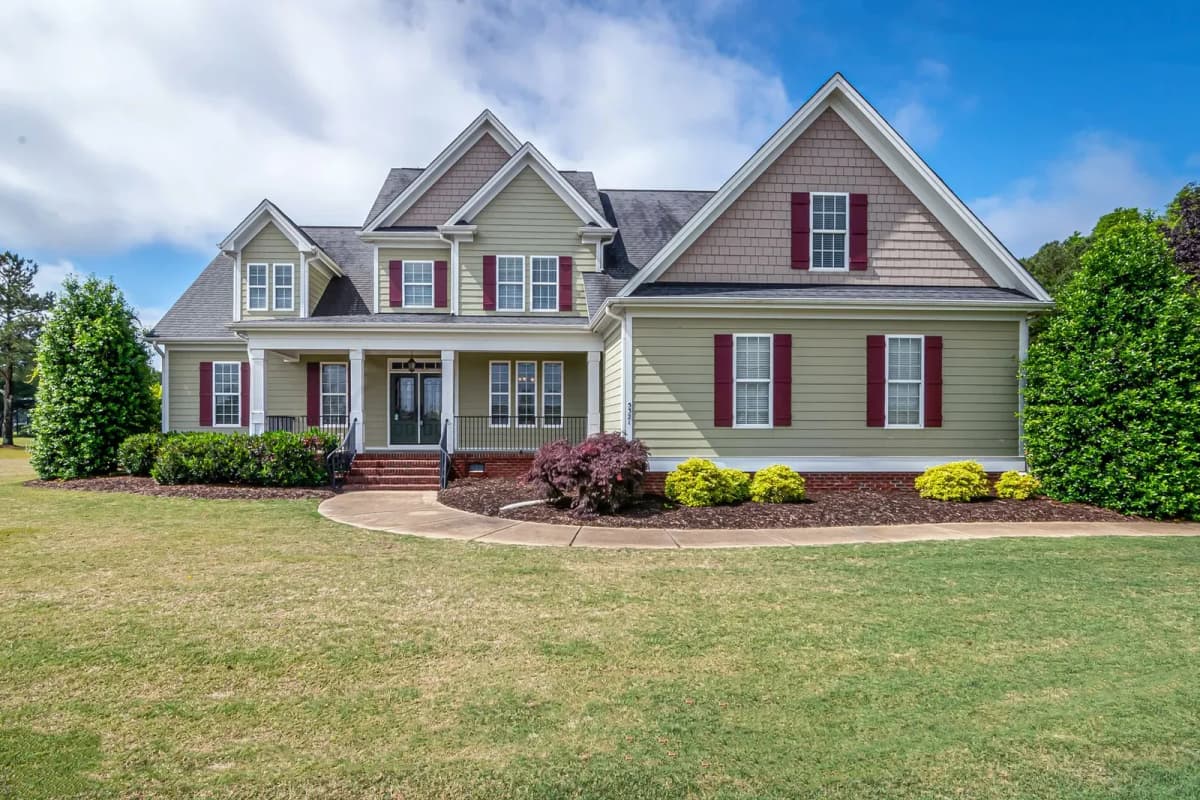
Photo by Curtis Adams on Pexels
Where the money side connects
Maintenance work does not stay in the maintenance column, and two of these habits show up in the association's finances.
Inspections feed the reserve study. A study estimates how much life each major component has left and builds a funding plan around those estimates, so a roof that goes unmaintained fails earlier than the estimate expected and the plan behind it has collected too little by the time it does. The inspection record is what tells the next reserve analyst which components have actually been looked after. Our reserve fund guide covers what the plan should be holding, and the vendor management guide covers the relationship after the award.
The repair-versus-improvement question decides which fund pays. AccountingTools draws the line at whether the spending extends an asset's life or only keeps it running, noting that repairing a dishwasher merely keeps the machine in operation rather than adding to its value. Nolo's overview of how associations work is a reasonable starting point for a new director who needs the shape of the whole thing. Our post on capital improvement versus maintenance covers how the split lands in an association's books, and our post on budget season covers when in the year these numbers have to be settled.
None of it survives a board turnover unless the chart, the contracts, the certificates and the inspection notes live somewhere other than the outgoing treasurer's laptop. That is the job an association platform does, and it is why an association running HOA-OS keeps its document library, calendar and vendor records on the same system.
The responsibility chart comes first, because the other five habits all rest on a board already knowing which components belong to the association.