
On most self-managed operating budgets, landscaping is the largest single line. It is also the contract boards renew with the least scrutiny, because the grass keeps getting cut and nothing obviously breaks.
That combination is why it repays attention. A landscaping agreement is the association's biggest recurring commitment and usually its vaguest document. It also sits on top of a set of rules the association wrote for itself: FindLaw's overview of homeowners associations groups the governing rules into the bylaws and the declaration of covenants, conditions and restrictions, and those are the documents that decide which ground the contractor is being paid to touch.
What belongs in the scope
The word to avoid is "maintain." It means whatever the person reading it wants it to mean, which is fine right up until the board and the vendor disagree.
Write frequencies and standards instead.
Mowing. How many cuts, in which months, at what height. Weekly in growing season and biweekly in the shoulder months is a schedule. "As needed" is not.
Edging and trimming. Which surfaces get edged and how often. Hard edges along walks and drives are the ones residents notice.
Beds. Weeding frequency, mulch depth, how many times a year mulch is refreshed, and whether pre-emergent is included or billed separately.
Shrubs and ornamental trees. How many shaping passes a year and in which months. Trees above a stated height usually belong to a separate arborist contract, and the landscaping agreement should say where that line is.
Irrigation. Whether the contractor operates the system, inspects it, or only reports problems. Whether repairs are included up to a dollar threshold or billed every time. This clause is the single most common source of surprise invoices.
Seasonal work. Leaf removal, winterization, spring startup, and whether annual color is in the base price or an add-on.
What is out of scope. Storm cleanup, tree removal, sod replacement, irrigation repairs above the threshold. Naming these keeps them from arriving as change orders.
CAI's guidance on hiring a landscaping company makes the same point about the front end of the process, and adds two checks a board should run before award: look for the trade credentials the company holds, and ask for proof that the company is properly insured and licensed. Our post on vendor certificates of insurance covers what to read on that paperwork when it arrives.
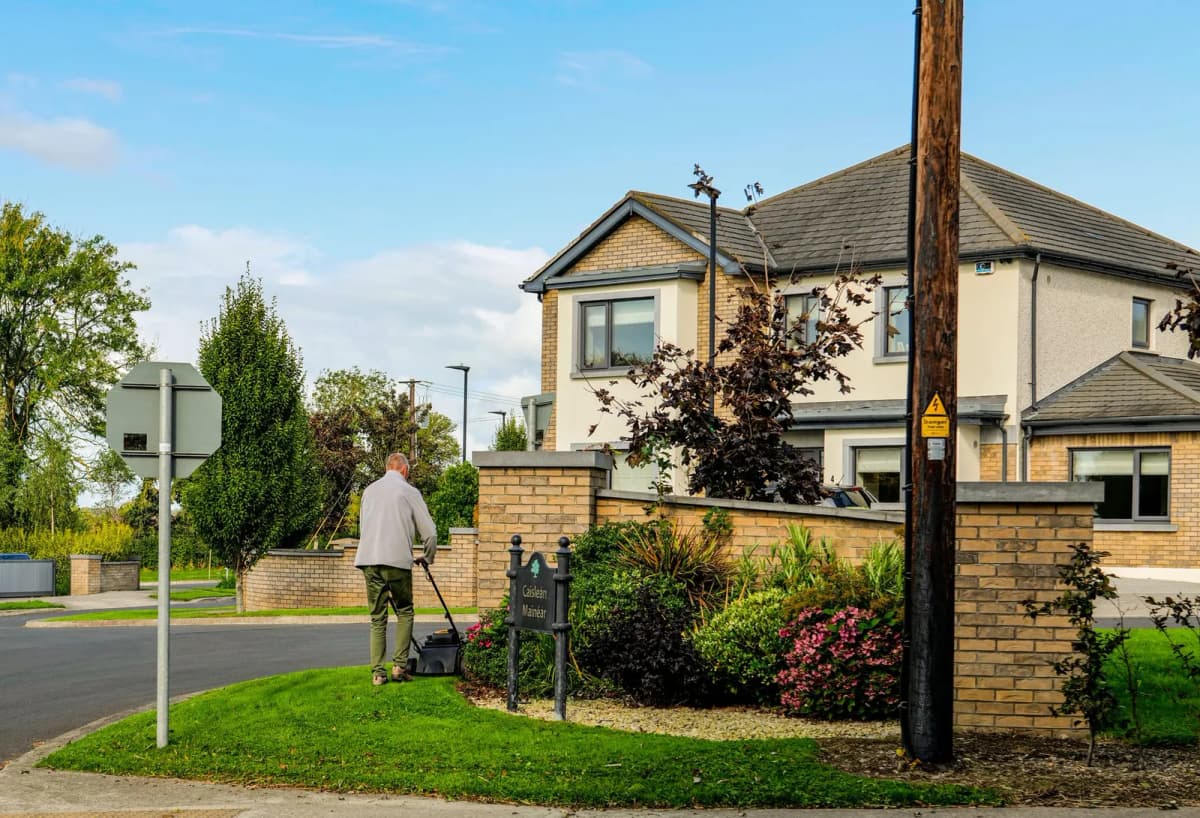
Photo by PROSPER MBEMBA KOUTIHOU on Pexels
Renewal is where the money moves
Most landscaping contracts renew automatically, which is convenient and expensive.
How much room the board has at renewal comes down to three clauses.
The renewal window. How many days before the term ends the association has to give notice if it does not want to renew. Miss that date and the board has committed to another year without voting on it.
The escalation clause. Whether the price rises by a stated percentage, by an index, or by whatever the vendor proposes. A percentage the board never negotiated compounds quietly across a five-year relationship.
The termination terms. Whether the association can end the agreement for cause, what cause means, how much notice is required, and whether there is a termination fee.
Put the renewal window on the board's calendar the day the contract is signed rather than the year it matters. It is the one date in the agreement that expires whether or not anybody is looking at it.
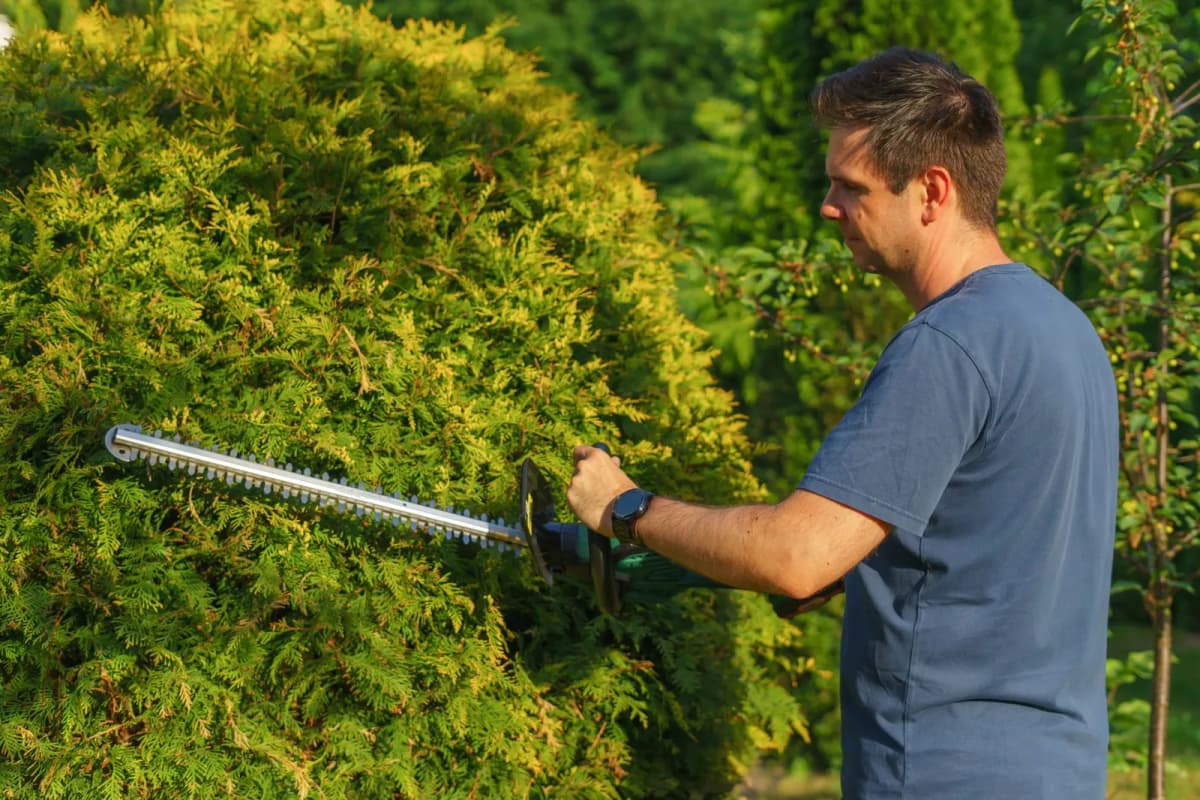
Photo by Aleksander Dumala on Pexels
Walk the property with the contractor
A performance walk is a scheduled visit where a board member and the account manager cover the property together with the scope sheet in hand.
Do it quarterly. Follow the same route each time so the comparison means something. Take dated photos of anything below standard, and write the list on the spot rather than from memory afterward.
The obvious payoff is that problems get named while they are still cheap to fix. The one boards underestimate is that the walk surfaces scope gaps neither side had noticed: the beds nobody was assigned, the strip everybody assumed belonged to the city, the irrigation zone that has not run since the last account manager left. That is also the moment to check the work against your own responsibility chart, since a landscaping crew maintaining something that belongs to an owner is a cost the association never agreed to. Our post on maintenance responsibilities covers how to draw that line.
Send the notes to the account manager the same week, in writing, with the photos attached. A verbal comment on a walk is a comment. A dated note naming a location and a standard is the beginning of a record, and if the relationship ever has to end, that record is the difference between terminating for cause and terminating with a check.
Keep the walk notes with the contract. An association running HOA-OS has a document library holding the agreement, the certificate of insurance and the walk records together, so a renewal conversation starts from a year of notes rather than an impression. Our vendor management guide covers the rest of the relationship.
Four walks a year will tell a board more about its largest line item than four invoices ever will.
Sources
- Homeowners Association Law, FindLaw
- Six tips to ensure your HOA hires the right landscaping company, CAI HOAresources