
Common area rules accumulate. A pool rule from one board, a clubhouse policy from another, a guest limit somebody emailed three summers ago: stacked up like that, they're hard to defend.
This playbook pulls the series on amenities and common areas into one sequence. Run it once to put the rules on solid ground, then once a year to keep them there.
Step 1: Inventory what the association actually owns and runs
List every common area and amenity: the pool, the clubhouse, courts, the playground, walking paths, the dog area, open space, the entrance. For each one, note who maintains it, what it costs to run, and which rules currently apply to it.
That list is also the start of the association's maintenance picture. A reserve study builds what Association Reserves calls "a detailed and itemized list of reserve components" and identifies "the upcoming predictable repairs or replacements" in its guide to reserve studies. Check that every amenity on your inventory also appears in the reserve study's component list.
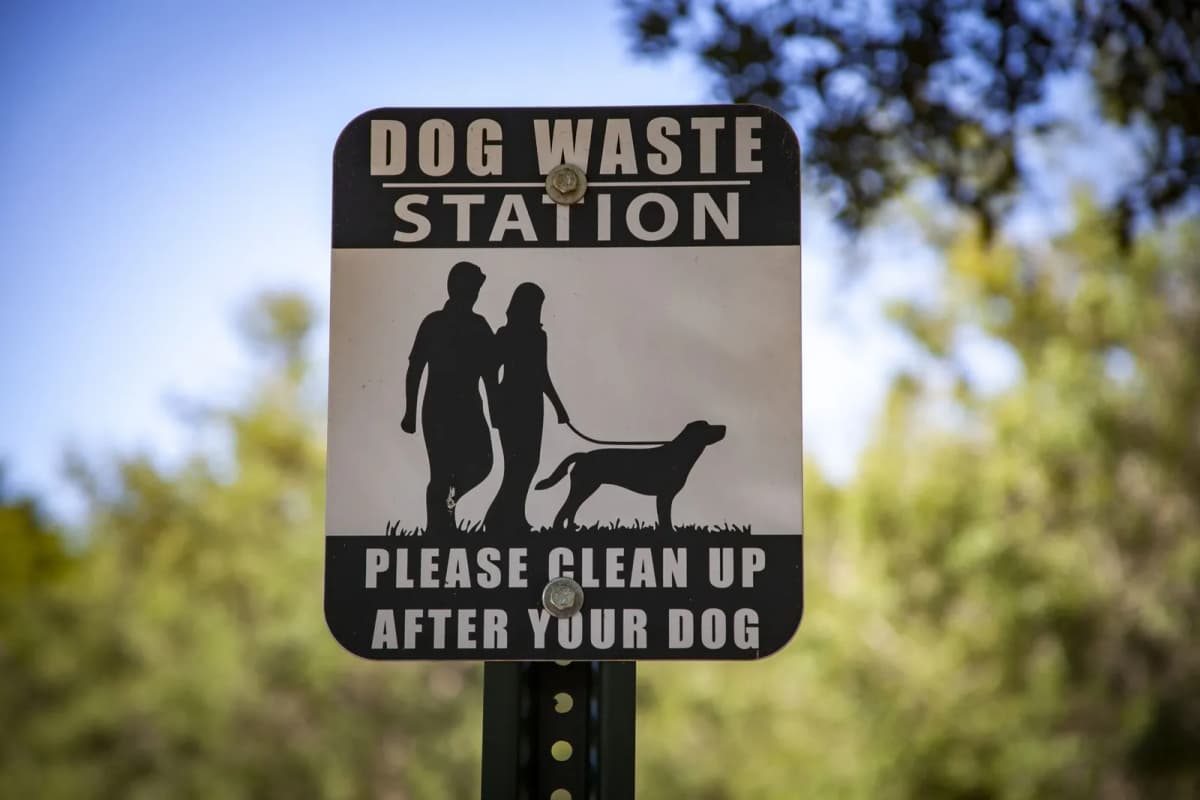
Photo by Alex Montalvo on Pexels
Step 2: Confirm where the board's authority comes from
Find the clause in the declaration or bylaws that lets the board adopt rules for the common areas, and note what it doesn't cover. The distinction between a rule the board can adopt and a restriction that needs an owner vote is laid out in HOA Amenity Rules That Hold Up.
Amending the declaration is a different project. As Nolo's explainer on CC&Rs puts it, "Don't count on changing the rules, which is usually tricky." The board-adopted rules are the layer the board can maintain, so get those right.
Step 3: Write the rules amenity by amenity
Each amenity gets its own short set of rules with a purpose behind each one. The pool has requirements from outside the board, covered in HOA Pool Rules: Hours, Guests and Liability. The same approach works for everything else: hours, capacity, conduct, and the consequence for breaking the rule.
Parking is a common area rule too, and the post on writing and enforcing parking rules fairly applies the same method to the street and the lot.
Step 4: Set up reservations and guests
Anything residents book, such as the clubhouse, a court or a pavilion, needs a reservation policy and a signed agreement. Renting the Clubhouse: Reservations, Deposits and Damage covers the fee, the deposit, alcohol and who pays for damage.
Guest rules are where fair housing comes in. HOA Guest Policies for Amenities covers limits, resident-present rules, tenants, and the fair housing line on familial status.
Step 5: Adopt, publish and date everything
Adopt the full set at an open board meeting and record the vote in the minutes with the text attached. Check whether your state or your declaration requires notice to owners before new rules take effect. Post each amenity's rules where they apply, keep the current version with the governing documents, and put an adoption date on every version.
Step 6: Enforce evenly, and suspend by the book
Log every warning and exception, and apply every rule to every household, including board members'.
When a problem goes past a warning, suspension of amenity access may be available, with conditions that depend on the documents and the state. When an HOA Can Suspend Amenity Access walks through notice, hearings, and how Texas and Florida differ.
Step 7: Settle liability and upkeep before the season starts
Know what the association's waivers do and don't cover, which signs the health department and the insurer expect, and what records the adjuster will ask for after an injury. Amenity Liability: Signage, Waivers and What Insurance Expects covers each.
Then put the amenities on the maintenance calendar, with inspections on a schedule and repairs tracked to completion. The HOA Maintenance Playbook for Self-Managed Boards lays out the full cycle.
Photo by princess on Pexels
Run it every year
Once the rules are in order, the annual pass is short: confirm the inventory, re-read the rules against how the amenities actually ran, fix what drifted, and re-adopt anything that changed.
HOA-OS puts most of this in one place for a self-managed board. Residents book amenities online without double-bookings, the rules and governing documents live on the community site, violations are tracked home by home, and the community calendar carries the season dates. All of it is on the Community plan, and every plan starts with a 30-day free trial with no credit card at signup. Start at hoa-os.com/pricing.
Related Reading
- HOA Parking Rules: How to Write and Enforce Them Fairly
- The HOA Maintenance Playbook for Self-Managed Boards
- HOA Reserve Studies: What They Are and Why You Need One
- How to Amend Your HOA's CC&Rs: A Step-by-Step Guide
A rule set built this way is one the next board can pick up without calling the last one.