
The trash cans at a rented house have been at the curb for most of the week, again. The neighbors know who lives there. The board knows who owns it. The question is which of them gets the letter.
The owner, with a copy to the tenant where your documents allow it. Beyond that, it depends on your declaration and your state.
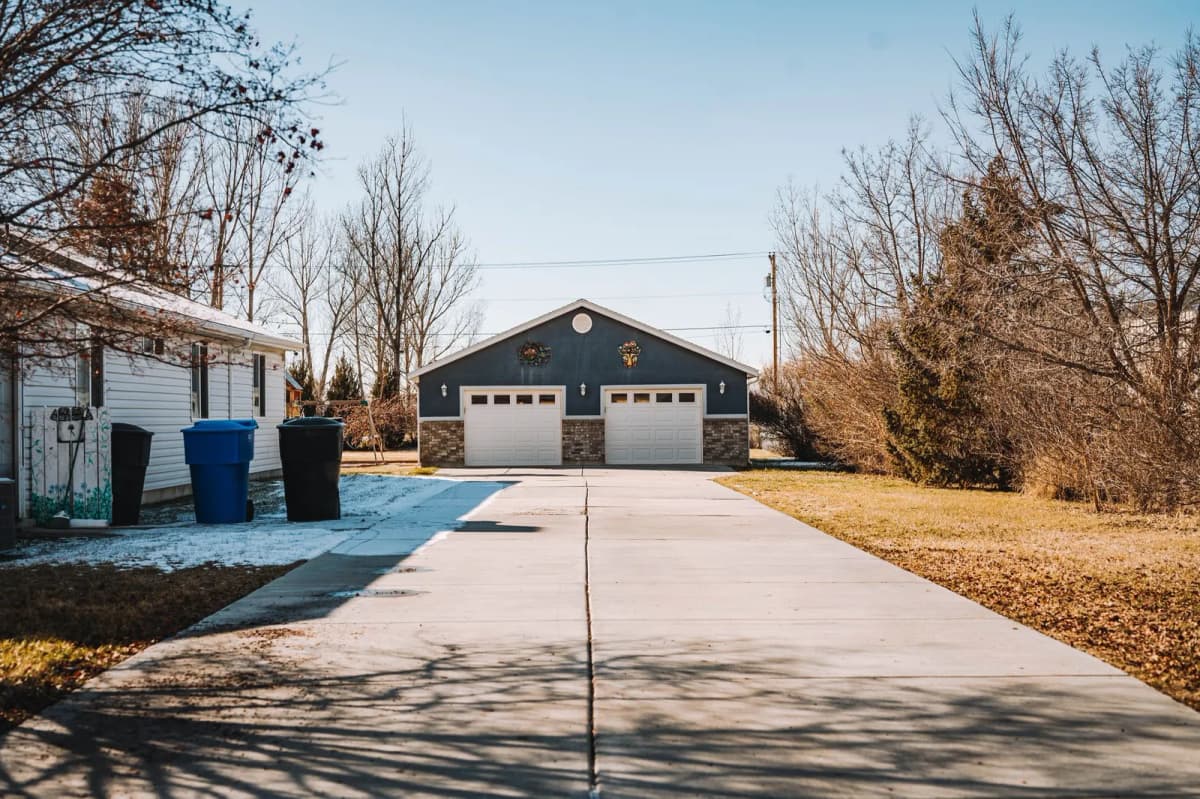
Photo by David Guerrero on Pexels
The owner stays responsible to the association
The association's relationship runs through the owner. The declaration binds the owner, and in the words of Nolo's explainer on CC&Rs, it's "usually recorded in the county clerk's office" and runs with the land. Nolo also notes that buyers in a planned community generally sign a paper at closing that "says they've read the CC&Rs and agree to abide by them." Unless your documents require a tenant acknowledgment, the tenant has signed nothing with the association.
Your declaration may say outright that an owner is responsible for the conduct of the people living in the home, tenants included. Find out whether yours does. If it's silent, ask the association's attorney what the association can do directly against a tenant under your state's law. How far the board can regulate leasing in the first place is covered in our guide to HOA rental restrictions.
Some states write tenants into the statute. Florida's section 720.305 begins: "Each member and the member's tenants, guests, and invitees, and each association, are governed by, and must comply with, this chapter, the governing documents of the community, and the rules of the association." The same section lets a board fine "any member or any member's tenant, guest, or invitee," with limits of $100 per violation and $1,000 in the aggregate for a continuing violation, each "unless otherwise provided in the governing documents."
Who gets the notice
Send the notice to the owner, at the address the owner has on file with the association. For a landlord who lives somewhere else, that's not the address of the rented home. A letter left in the rented home's mailbox may never reach the person the association is holding responsible.
Then send a copy to the tenant, where your documents allow it. The tenant is the person on site, and a copy saves a round trip through an owner who may live far away. Florida's notice rule for fines and suspensions names the owner and, where the occupant is the one being fined or suspended, the occupant too. The board must first give "at least 14 days' written notice of the parcel owner's right to a hearing to the parcel owner at his or her designated mailing or e-mail address in the association's official records and, if applicable, to any occupant, licensee, or invitee of the parcel owner, sought to be fined or suspended."
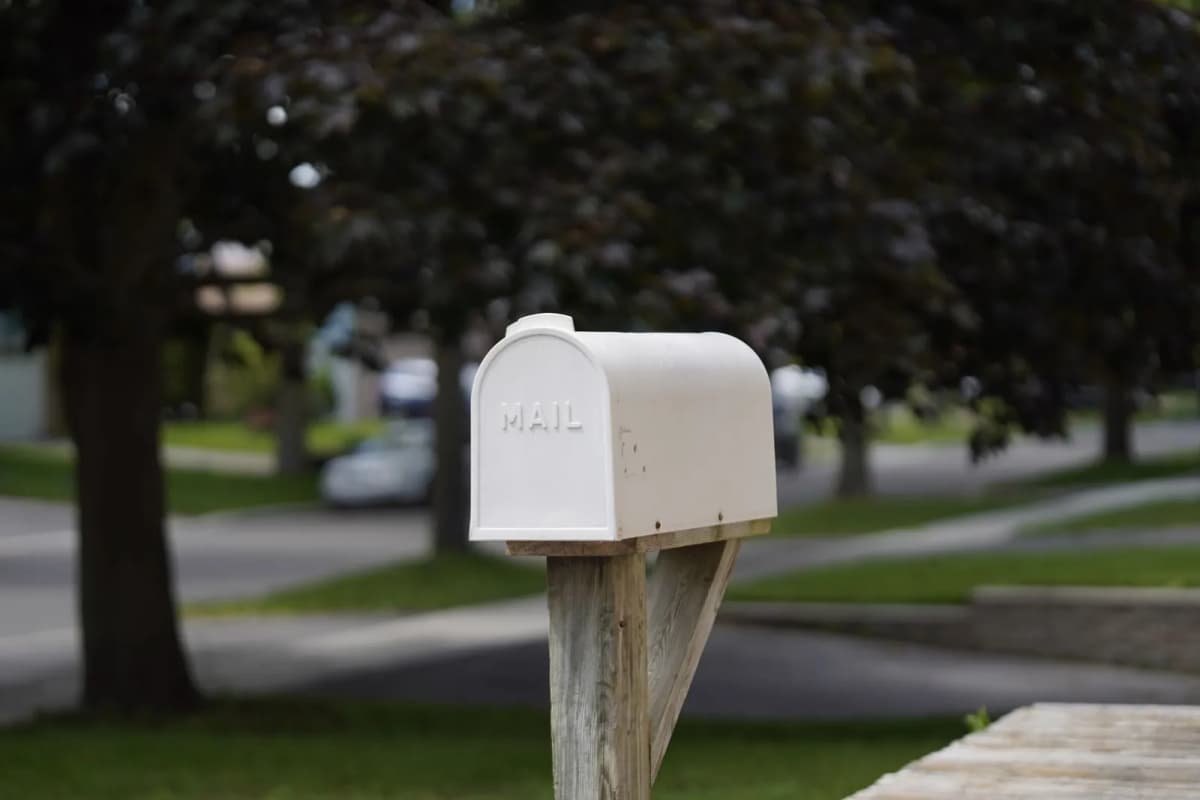
Photo by Gupta Sahil on Pexels
Everything else about the notice works the way it does for any owner: cite the provision, describe the violation, state the deadline to cure and the consequence. Our post on what to include in an HOA violation notice covers the full checklist.
Fines, hearings and the owner's account
Where your documents and your state allow a fine, follow the same steps you'd follow for an owner who lives in the community: notice, the opportunity for a hearing your documents or statute require, a recorded decision. Unless your state's law or your documents provide otherwise, the fine is charged to the owner's account.
Whether the owner can pass that charge on to the tenant is a question for their lease. The association isn't a party to it and shouldn't try to enforce it.
Treat tenant violations exactly as you treat owner violations. Escalating faster against renters, or fining a tenant for something an owner down the street does without consequence, is selective enforcement.
When violations keep happening
If the same household keeps breaking the same rule, the escalation steps in your documents apply, with every notice going to the owner. Call or write to the owner directly before the fines pile up. A landlord who lives elsewhere may not know there's a problem until the first letter arrives, and a direct conversation can end it sooner than a second fine.
Some declarations give the association remedies aimed at the lease itself. What those remedies are, whether your declaration includes them, and whether your state allows them to be used are questions for the association's attorney before the board relies on any of them.
HOA-OS keeps each unit's violation history on the unit's own page, addresses each notice by name to the resident on record, and won't advance a violation to the next stage or to a fine unless there's evidence the notice actually went out. Violation tracking is part of the Community plan, and every plan starts with a 30-day free trial with no credit card at signup. See the plans at hoa-os.com/pricing.
Related Reading
- Do Renters Pay HOA Fees? Clear Answers for Landlords and Tenants
- Fair HOA Rule Enforcement: The Board's Playbook
- Violation notice templates that keep your HOA consistent
Whatever the tenant did, the letter that starts the process carries the owner's name.