
A board sends a violation notice about a shed. The owner walks the board through the neighborhood with a phone camera: four other sheds, all visible from the street, all built in the last three years, none of them ever cited.
The board has a rule. The board has a recorded covenant. And the board has just made this notice very hard to defend.
This is selective enforcement, and it is the most common way an HOA converts a rule it was right about into a rule it can no longer use.
What selective enforcement actually means
The rule is not the problem. The pattern is.
When an association enforces a restriction against some owners and not others, the owner on the receiving end has an argument that the association gave up its right to enforce it. Two related legal ideas do the work.
Waiver is the association's own conduct signalling that it has abandoned the restriction. Years of unaddressed violations look like abandonment because, functionally, they are.
Estoppel is the doctrine that stops a party from asserting a position that contradicts its earlier conduct. Cornell's Legal Information Institute defines estoppel as an equitable doctrine that bars someone from asserting a claim or right that contradicts what they have previously said or done. An association that watched four sheds go up without a word has said something, even if it never wrote it down.
Neither doctrine requires the board to have acted in bad faith. A board can be well-meaning, overworked, and volunteer-run, and still lose on exactly this.
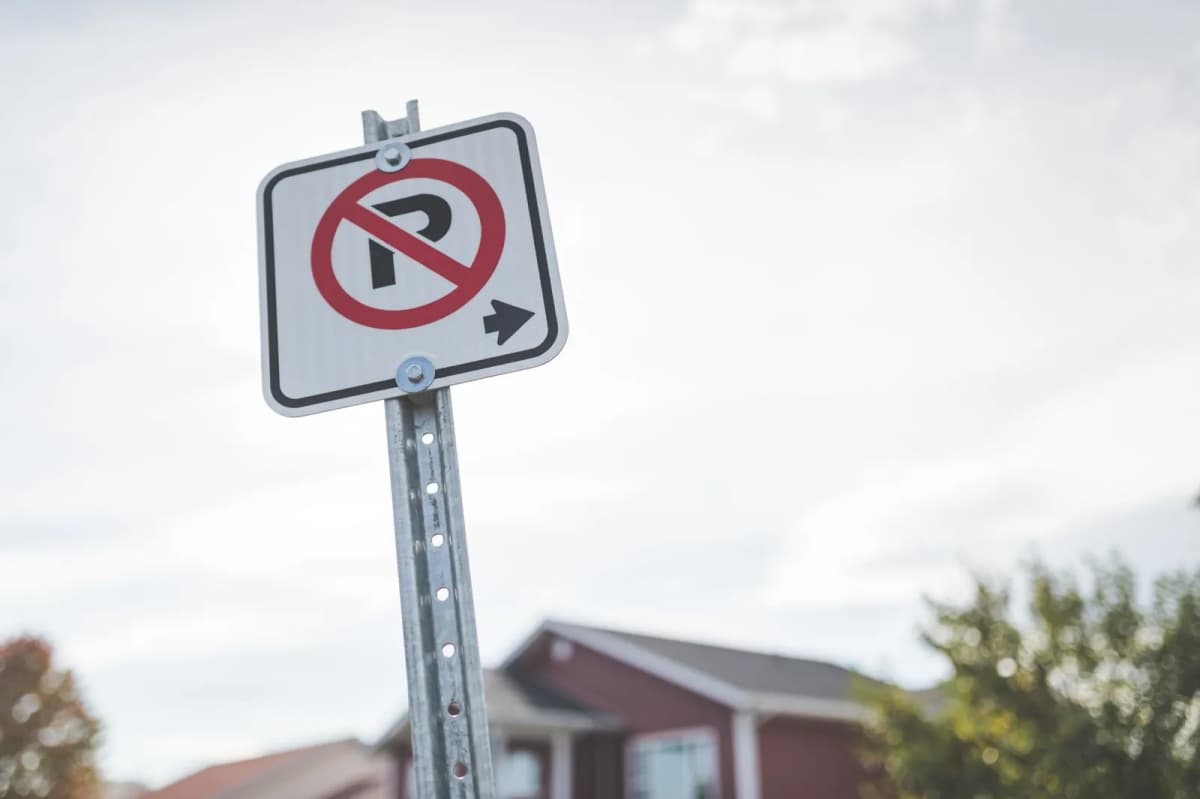
Photo by Stephen Andrews on Pexels
The three ways boards fall into it
Complaint-driven enforcement. The board only acts when a neighbor complains. That means enforcement tracks who has an active feud, not who is violating the rules. It is the single most common pattern, and it produces exactly the shed problem above.
Rotating boards, rotating standards. One board enforces parking hard. The next one lets it slide. Three years later a board picks it back up. From the owner's chair, the rule appeared, vanished, and reappeared, and that is a real argument.
The one bad neighbor. Someone is genuinely difficult, and the board goes after them for a violation that half the community also has. Even when the board is right on the merits, the record shows the rule was applied to one person.
FindLaw's overview of homeowners association disputes notes that most of these are resolvable without litigation, and that many states require an association to offer mediation before it can sue. That is a useful fact and also a warning: an owner who can demonstrate uneven enforcement walks into mediation holding the stronger hand.
How to fix a rule you have already stopped enforcing
If the board looks at its own record and sees years of inconsistency, the answer is not to start firing off notices to everyone at once. That produces a revolt and, in some cases, still fails.
The workable path is a reset, done in the open.
Take an inventory. Walk the community. Photograph and log every current violation of the rule, every address, one pass. You cannot enforce fairly against a list you have not built.
Tell everyone, in writing, before you act. A notice to the whole community that the board is resuming enforcement of a specific rule as of a specific date, with the reason, resets expectations. It also destroys the "you never cared before" argument going forward.
Give a real cure window. Sixty or ninety days for existing violations. People who have had a shed for three years need time.
Then enforce every single one. Same notice, same sequence, same deadlines, no exceptions for board members or their friends. The exception is the case you lose.
Decide what is genuinely grandfathered. Some violations predate the restriction or have run past a statutory period. Read the HOA grandfather clause before you send a notice you cannot back up.
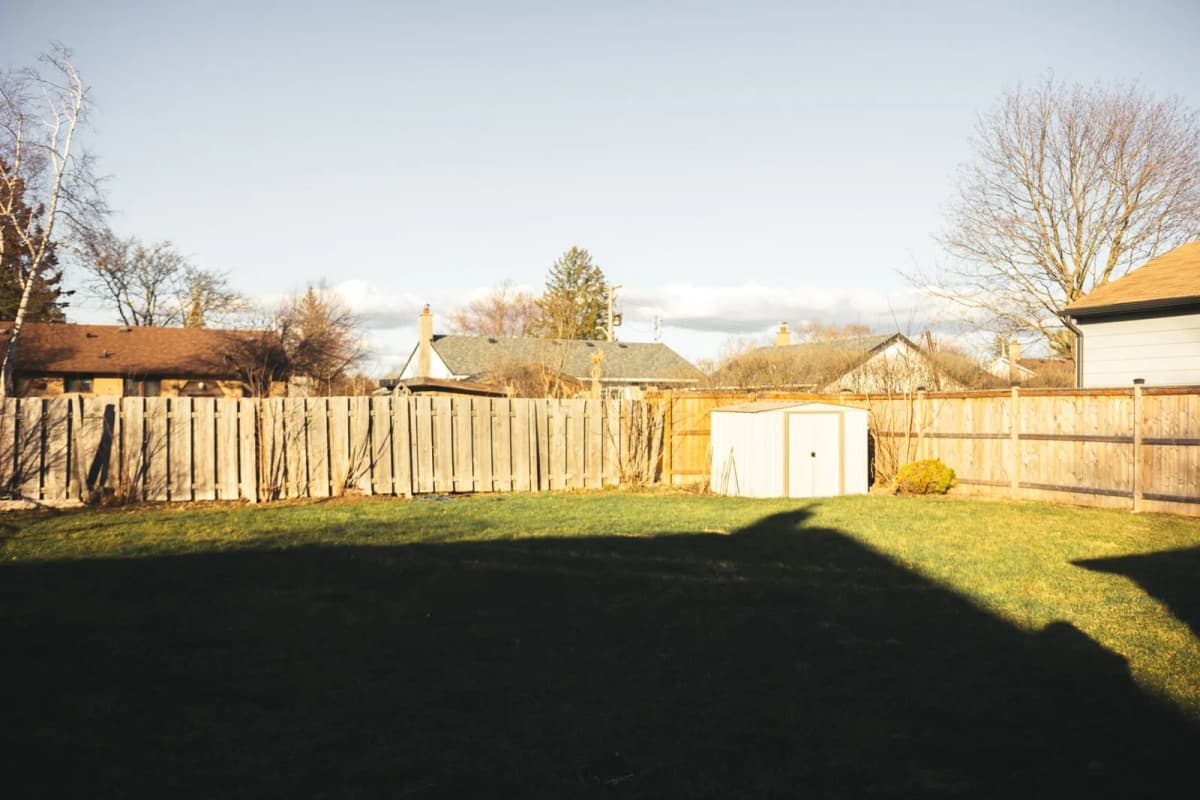
Photo by Shazard R. on Pexels
The habit that prevents all of it
Consistent enforcement is a recordkeeping problem wearing a legal costume.
Boards do not enforce unevenly because they are unfair. They enforce unevenly because the enforcement history lives in three people's inboxes, one person's memory, and a shoebox. Nobody can answer "has anyone else been cited for this, and what happened?" so nobody checks.
The fix is a single log. Every complaint, every inspection, every notice, every response, every resolution, with a date and an address. Before any notice goes out, the board looks at the log and answers one question: are we treating this owner the way we treated the last one?
If yes, send it. If no, fix that first.
That is also what makes a rule defensible if it ever gets tested. A board that can produce a dated, uniform enforcement record for a rule is in a completely different position from a board that can produce one angry email.
For the mechanics of the notice itself, see HOA violation notices. For the underlying authority to enforce anything at all, see CC&Rs explained.
The short version
Selective enforcement does not just cost a board one dispute. It costs the board the rule. Written policy, uniform notices, a complete log, and a documented reset if enforcement has lapsed. That is the whole defense, and it is entirely within a volunteer board's reach.
HOA-OS keeps the full enforcement history in one place, so a board can see every prior notice on a rule before it sends the next one. See pricing.
Sources
- Wex: Estoppel, Cornell Legal Information Institute
- Homeowners Association Disputes, FindLaw