
Boards talk about engagement as if it were a mood. Residents are engaged or they are apathetic, and there is nothing to be done about which one you got.
It is closer to plumbing. People participate when they know what is happening, when they can find an answer without asking a stranger, when somebody replies to them, and when they have seen the board act on something a neighbor said. Take any one of those away and participation drops, regardless of how much anyone cares.
This series covers six parts of that system. Here they are in the order a board should build them.
1. Decide what each channel is for
Start here, because everything else sits on top of it. A board's communication does four jobs: announcements, notices, requests and records. They have different requirements, and treating them as one thing is what produces both the announcement nobody saw and the notice you cannot prove you sent.
Our cornerstone, HOA communication tools: what your board actually needs, walks the four jobs and what each one requires. Start with whichever one you cannot currently name a process for.
2. Be honest about whether an app helps
Once the jobs are clear, the tool question gets easier. A resident app is strong on announcements and inbound requests, weak on notices, and actively harmful if it becomes a fifth channel rather than replacing three.
HOA communication apps: what they solve and what they don't has the test: for each recent complaint that a resident did not know something, decide whether the message failed to send or failed to land. Only the first is a delivery problem.
3. Catch new households in the first 30 days
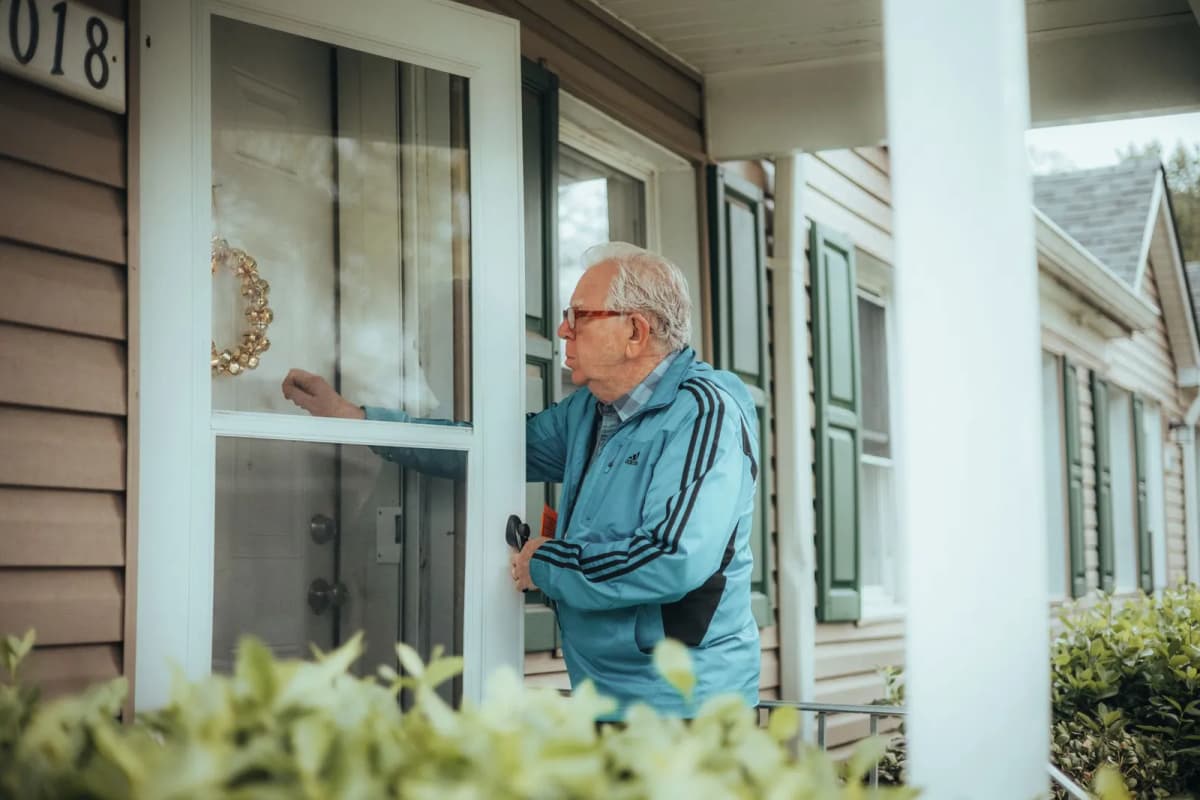
Photo by Samuel Peter on Pexels
New owners generate a disproportionate share of violation notices, and almost never out of defiance. The rules arrived inside a closing package nobody read.
The new-resident welcome packet that prevents problems has a copy-ready outline: the basics, money, a one-page rules digest, architectural review, amenities, contacts, calendar, and an acknowledgment page that doubles as a current contact record.
4. Ask, in a form people can answer

Photo by Fatima Yusuf on Pexels
Asking is what converts a broadcast relationship into a two-way one, and most boards do it badly enough to conclude nobody wanted to answer.
How to run an HOA survey residents actually answer covers the design rules: eight questions or fewer, one idea per question, the cost stated alongside every option, a stated deadline, and a reminder three days before it closes.
Two distinctions matter here. A survey is input; a vote is a decision, with quorum and ballot requirements set by your documents and state statute. And directors hold duties to the association as a whole, so a majority preference informs a decision rather than replacing it.
5. Decide who hosts the informal layer
Your neighborhood almost certainly has a Facebook group already. Should your HOA run a Facebook group? is about whether the association should be the host, which is a different question with moderation hours and real exposure attached, including under fair housing rules that reach housing-related statements and not only formal decisions.
The workable rule either way: nothing is official because it was posted in the group. Notices are not served there, votes are not taken there, and complaints raised there get redirected to the address where they can be tracked.
6. Handle the hard announcements on purpose
Engagement built over a year gets spent in one letter. How to communicate an unpopular HOA decision covers the sequence: decide, then announce to everyone on the same day, then meet about a week later. Lead with the decision and the per-home dollar figure, show the arithmetic, and say what you considered and rejected.
Get this wrong and you undo the other five. Handled well, a hard decision is where a board earns the credibility it spends later. When individual objections keep arriving afterward, our post on handling homeowner complaints covers the follow-through, and FindLaw's overview of homeowners association disputes is a fair orientation to how these disputes get resolved.
The one habit under all six
Publish, then report back. A newsletter that goes out and a survey whose results appear are the same behavior at different scales: the community learns that information moves in both directions. Our guide to writing an HOA newsletter residents actually read is the recurring version of it, and the Community Associations Institute's education for board leaders is a reasonable place to send a director who wants more than one board's experience to work from.
Running all six by hand is what wears volunteer boards out, which is the case for keeping them in one association-owned place. HOA-OS carries board announcements, AI-assisted newsletters, document management and a member directory with each resident's contact details and electronic-contact preference on every plan. Community plans add a form builder with 14 field types for surveys and requests, plus community voting with configurable quorum and an anonymous ballot option, and an emergency SMS broadcast for residents opted into electronic contact. There is also a data export at every tier, covering every record the community holds except messaging and homeowner-assistant chat history, so the records belong to the association rather than to whoever set them up. Every plan starts with a 30-day free trial and no credit card. See what HOA-OS does.
The standard to hold yourself to is simple: every resident should be able to find out what the board decided, and why, without knowing anyone on it.
Sources
- Homeowners Association Disputes, FindLaw
- Education for Homeowners, Community Associations Institute