
Ask any board which residents generate the most violation letters and you will hear the same answer: the ones who moved in within the last year. Not because they are difficult. Because nobody ever told them.
Somewhere in the buying process, a buyer receives the governing documents in a stack several hundred pages deep, alongside a loan file they are also not reading. Whatever that package technically delivered, the practical result is an owner who does not know the trash cans come in by Tuesday evening and finds out through a letter.
The welcome packet exists to close that gap in the first 30 days, while the new household is still in the mood to be told how things work.
What the packet is for
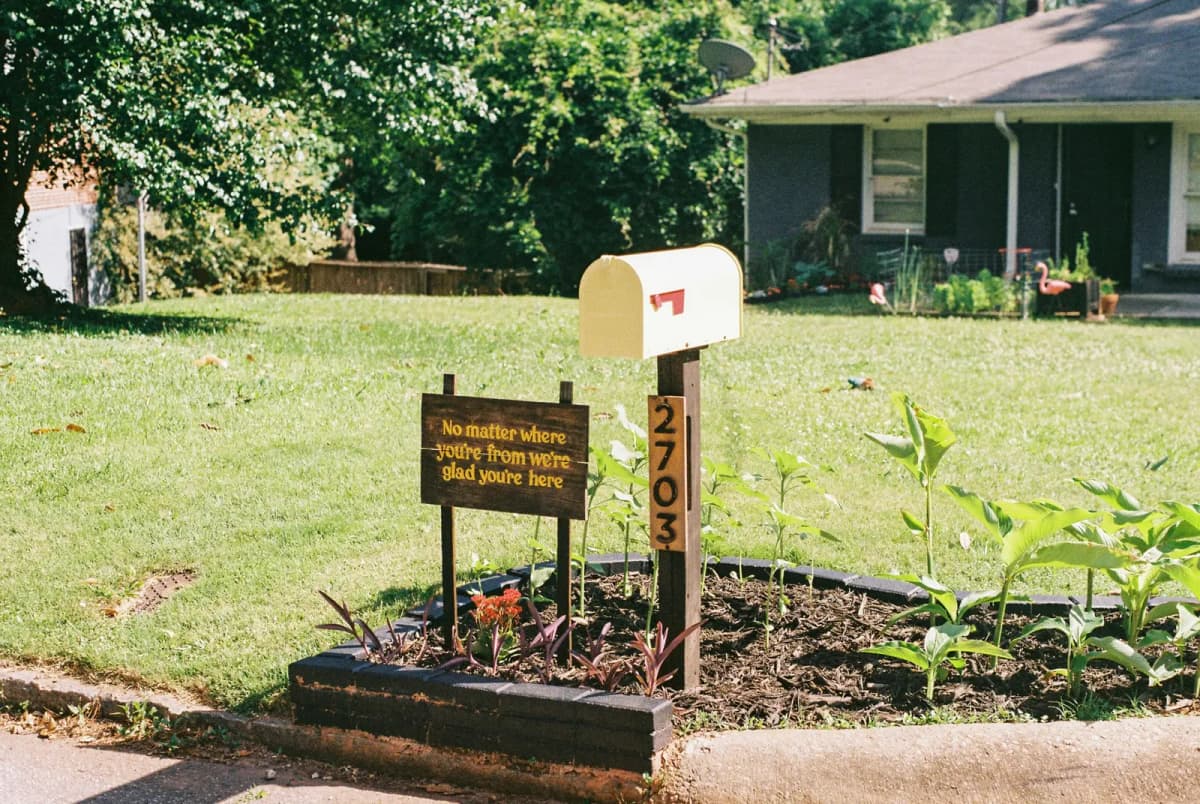
Photo by Mia Vargas on Pexels
Two jobs, and they pull in different directions.
The first is practical orientation: who to contact, what to pay, when things happen. The second is the rules summary, which has to be short enough to read and honest enough that nobody can say they were misled about what it left out.
That second job carries a real constraint. A plain-English digest is not the governing documents, and your packet has to say so explicitly, because the declaration and bylaws control if the two ever disagree. Nolo's explainer on the basic governing documents of a homeowners association is a useful orientation to what those documents are and how they rank.
Scope matters too. Boards regularly write a rules digest that reaches past what the association actually has authority over, and an overreaching summary is worse than none, because it becomes the thing you get quoted on. FindLaw's overview of what homeowners associations may regulate is a reasonable sanity check before you write the digest, alongside your own documents and state statute.
The outline
Copy this and fill it in. It runs four to six pages, which is the ceiling.
1. Welcome and the basics. Association name, what it covers, number of homes, who the current board is and how to reach the board rather than individual directors.
2. Money. The assessment amount, the due date, the payment methods, and the late-fee rule stated exactly as your documents state it. Include the first date this household owes anything, because pro-rated first assessments confuse everyone.
3. Rules digest. One page. The eight or ten rules that generate most of your notices: trash cans, parking, pets, exterior changes, signs, noise hours, landscaping standards, short-term rentals. One sentence each, with a pointer to the article and section number in the actual documents. Head the page with a line stating this is a summary and the recorded documents control.
4. Architectural review. Say plainly which changes need approval before work starts, where the form lives, and how long a decision usually takes. This single page prevents the most expensive category of dispute, which is the one where a fence is already built.
5. Amenities and access. Pool hours, gate codes and how to get one, clubhouse reservations, mailbox keys, trash and recycling day.
6. Contacts. The association's inbound email or portal, the management company if you have one, the emergency number and what counts as an emergency, and the utility and municipal numbers residents ask for anyway.
7. Calendar. Annual meeting, board meeting schedule, budget season, the two or three recurring community events.
8. Acknowledgment page. Detachable, one signature, returned to the board.
The acknowledgment page earns its place
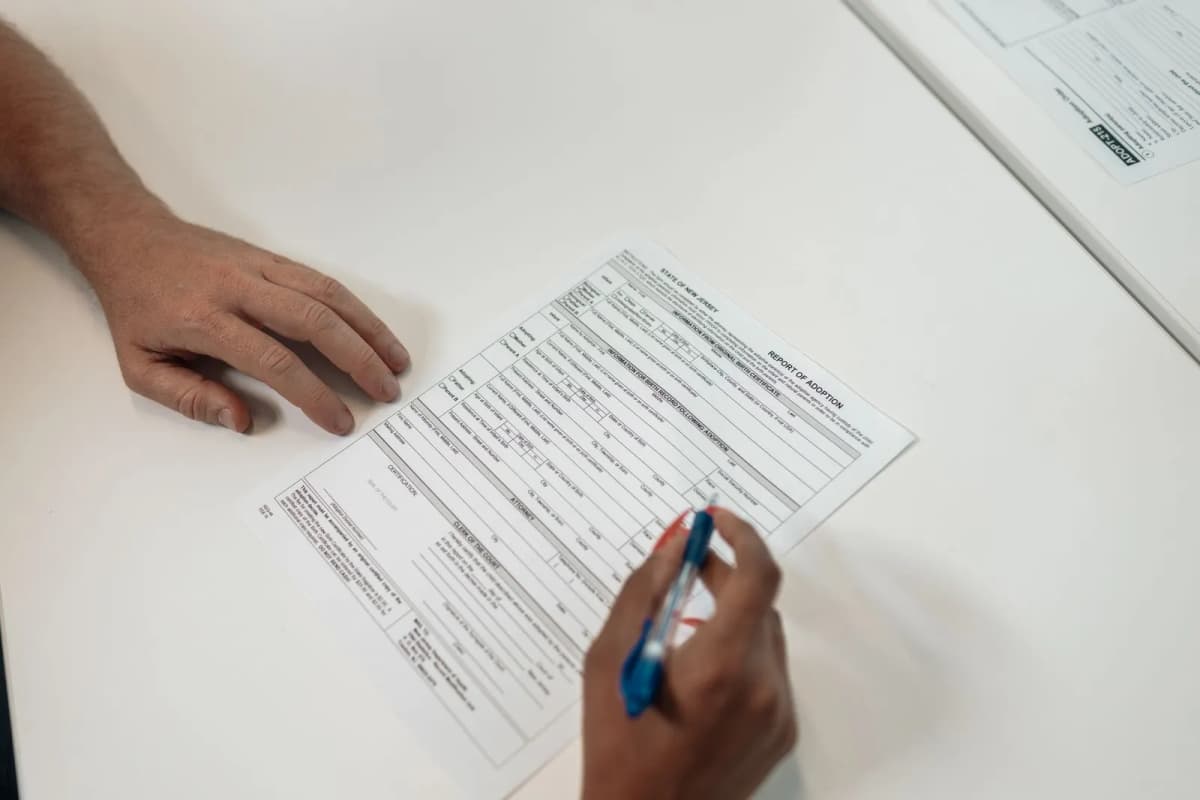
Photo by Kindel Media on Pexels
It is one line: the household confirms it received the packet, on this date, and here is the email address and phone number where the association should reach it going forward.
That does two useful things. It gets a current, self-reported contact into your directory instead of whatever the title company sent over. And it removes "nobody told me" from the conversation the first time a notice goes out, without you having to argue about what was in a closing package you did not assemble.
Send the packet to tenants as well as owners where your documents allow it. Your documents likely keep the owner responsible either way; the person putting the trash can out is the tenant.
Keep it current, and keep it findable
A welcome packet is a living document with one predictable failure: the version in circulation still lists the pool hours from three summers ago and a director who moved away. Put a revision date on the cover, review it once a year at the same meeting where you review the budget calendar, and store the current version where a resident can find it without asking.
The board-side equivalent matters just as much, and for the same reason. Our post on what every new HOA board member needs to know fast covers that handoff. Both fit inside the broader picture in our cornerstone on the communication tools your board actually needs.
HOA-OS holds the pieces this depends on: document management on every plan, a member directory with each resident's contact details and their electronic-contact preference, and board announcements to publish revisions. An owner who does not live in the community can carry a mailing address separate from the unit address. Every plan starts with a 30-day free trial, no credit card required. Take a look at HOA-OS.
Without the packet, you answer the same nine questions for every household that moves in, one household at a time, forever.