
Somebody on your board has suggested an app. Maybe a neighbor mentioned one their old community used, maybe a vendor demo landed in the inbox, maybe the group text thread finally collapsed under its own weight. The suggestion is usually right about the symptom and vague about the cure.
A resident app is a delivery mechanism. It does not decide what gets sent, who answers, or what happens when nobody reads it. Whether one helps your community depends entirely on which of your problems is actually a delivery problem.
What a resident app genuinely fixes

Photo by Helena Lopes on Pexels
Three problems get better the day you turn one on.
The unreachable half of the community. Boards that rely on email rarely hold addresses for every household, and the missing ones skew toward renters, absentee owners, and residents who bought before the current secretary took over. An app with a self-service signup gives people a way to opt in without asking a director for the form.
The repeat question. Pool hours, trash day, the paint colors on the approved list, who to call about a broken sprinkler. Every board answers the same eight questions forever. Publishing them once, somewhere residents can find them at 9pm on a Sunday, is a real reduction in volunteer hours.
The proof of publication. When an announcement goes out through a system rather than a personal account, there is a record that it went out, when, and to whom. Attorney-reviewed explainers of how HOAs are governed make the same point: the board's authority rests on following its own documented process, and documentation you cannot produce is documentation you do not have.
What a resident app quietly makes worse
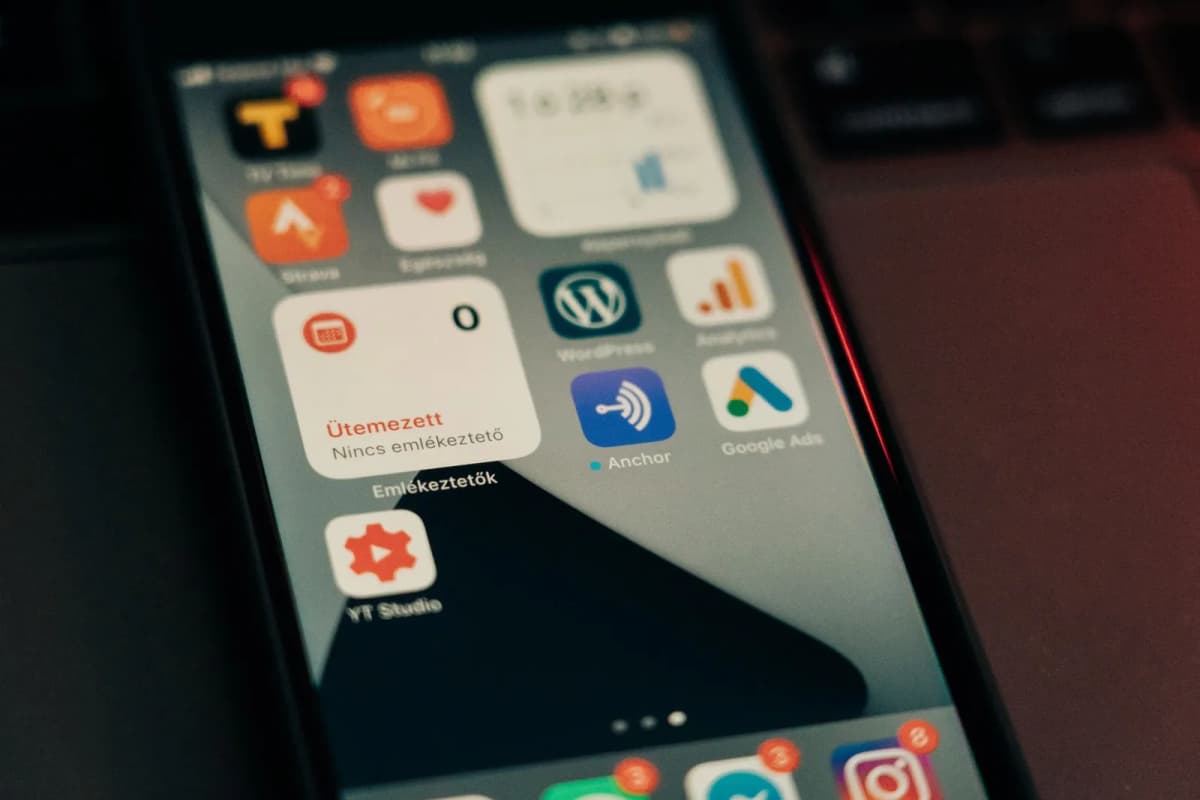
Photo by Szabo Viktor on Pexels
Fragmentation. This is the big one. An app added on top of email, the website, the Facebook group and the printed flyer does not replace any of them, because the residents who were not reading email are not the residents who will download an app. You now maintain five channels and every message has to go to all five, or you have created a class of resident who is officially uninformed.
The only version of this that works is the one where the app becomes the single publishing point and the other channels either retire or become automatic mirrors of it. That is a governance decision your board has to make and enforce, not something the software does for you.
Notification fatigue. A community that gets a push notification for a lost cat learns to swipe them away, and then the notification about the water shutoff gets swiped away too. Push is a limited resource. Spend it on things people would want to be interrupted for and put everything else in a digest.
There is a third risk that is less about the app and more about what boards start doing inside it. A comment thread on an association platform is not a board meeting, and a decision reached there is not a decision. Nolo's orientation to how HOAs operate is a fair reminder that open-meeting and voting requirements come from your documents and your state statute; a convenient chat channel does not amend either one.
The test to run before you add one
Write down the last five times a resident said they did not know about something. For each one, answer a single question: did the message fail to send, or did it fail to land?
If the message never went out, or went out to a list missing a third of your households, that is a delivery problem and an app helps. If the message went out to everyone and nobody read it, that is a content and timing problem, and a new channel will inherit it unchanged. Our post on whether your HOA needs an app walks the same question from the buying side.
Second test, harder: name the person who will keep it current. An app with a stale calendar and last year's pool hours is worse than no app, because it teaches residents that the official source is wrong and the Facebook group is right.
Where this fits with everything else
An app is one channel serving four jobs, not a replacement for the set. Our cornerstone post on what your board's communication tools actually need to cover lays out the announcements, notices, requests and records split; a resident app is strongest on the first and third and does very little for the second.
HOA-OS approaches this from the other direction. Rather than adding a channel, it puts board announcements, the member directory, document storage and AI-assisted newsletters in one association-owned place on every plan. Community plans add a form builder, community voting, and an emergency SMS broadcast for residents who have opted into electronic contact. Communities start on a 30-day free trial with no credit card required. Compare the plans.
A board that runs one channel well is not behind the communities running four badly. It has avoided the thing those boards are about to discover, which is that every extra channel is another place a message can fail to arrive.