
An ARC request is an owner's written application asking the architectural review committee (ARC) to approve a change to the exterior of a home or lot before the work starts. The owner describes the project, the ARC checks it against the declaration and any architectural guidelines, and the owner gets a written answer. If the answer is yes, the work can begin.
That's the short version. The harder question for most boards is which projects need a request at all. An owner replacing a cracked gutter shouldn't have to wait on the ARC, and an owner adding a second story should. Most of what falls between those two depends on what your community's documents say.
The declaration creates the requirement
The duty to submit a request starts in the declaration, the document that holds a community's covenants, conditions and restrictions. Nolo describes these as the governing rules of a planned community with an HOA, setting out what owners can and can't do with their homes.
Many declarations create the ARC, give it authority over exterior changes, and require owners to get approval first. For background on the ARC itself, including who sits on it and where its authority comes from, see the HOA ARC and what it controls.
A request is the owner's side of that arrangement. It puts the project on paper in a form the ARC can compare with the written standards, and it leaves a record of what was approved. Who reviews requests, and on what timeline, is set by your own declaration and your state's law.
What counts as a request and what usually doesn't
The declaration decides where the line falls. Many documents draw it between maintenance and change.
Maintenance keeps the home the way it already looks. Repainting the house in the same approved color, replacing a broken fence board with a matching one, reroofing with the same material and color, or replanting a bed that was already there usually sits on this side. The owner is restoring something the ARC, or the original builder, already put in place.
A change alters what neighbors see from the street or the next yard. A new paint color, a fence where there wasn't one, a room addition, a shed, solar panels or a redesigned front yard usually needs a request. The question many guidelines ask is whether the exterior will look different once the work is done.
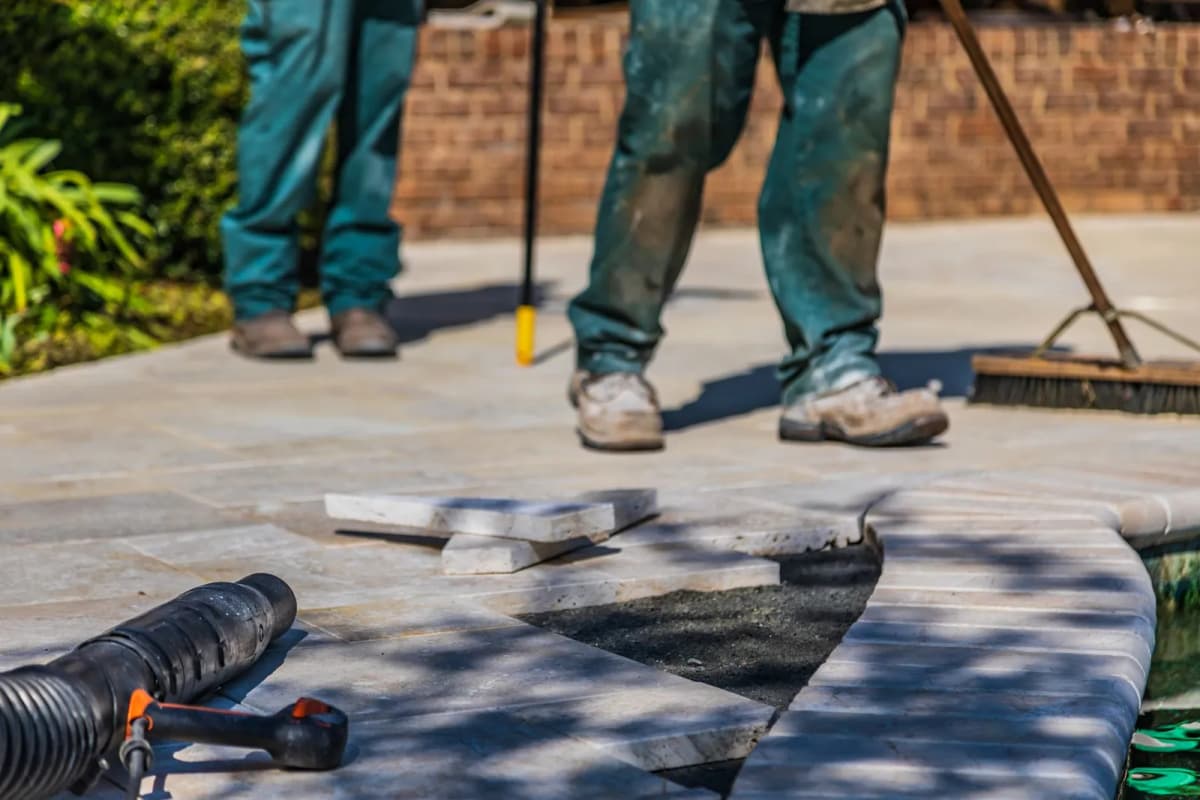
Photo by William Adams on Pexels
Some documents go further and name items that need approval even when they look minor, such as a mailbox or a front door. Others exempt a short list of pre-approved choices. Read your own declaration and guidelines before you tell an owner a project doesn't need review.
Solar panels raise questions of their own. For those, see whether an HOA can restrict solar panels.
Items associations commonly regulate
FindLaw's overview of what homeowners associations may regulate lists roofing, solar panels, siding and exterior paint; fences, shrubs and hedges; landscaping, including which flowers are permitted; play structures such as swing sets and basketball hoops; and mailboxes, sheds and decorations. The same page says HOA rules can't violate state or federal law, and that restrictions vary by community.
Nolo's list overlaps: limits on paint colors, required mailbox types, fence bans or height limits, and rules on parking and garage use. Nolo also advises owners planning major work, such as a pool or a home addition, to check the CC&Rs first.
That advice works for the board too. Before the ARC takes up a large project, someone should confirm the declaration gives it authority over that type of work. An ARC that reviews something its documents don't cover puts the association in an awkward spot if the owner pushes back.
Gray areas and older work
Some projects sit close to the line. An owner who replaces a wood fence with vinyl at the same height and in the same color is maintaining a fence, but the material is new. An owner who repaints in a shade near the approved color may be making a change without meaning to. Where the documents are silent, the ARC's past decisions are the next best guide, and similar projects should get the same answer each time.
Older work raises its own question. A shed built before the current guidelines were adopted may be allowed to stay as it is, depending on the documents. The HOA grandfather clause explains what that kind of protection covers and what it doesn't.
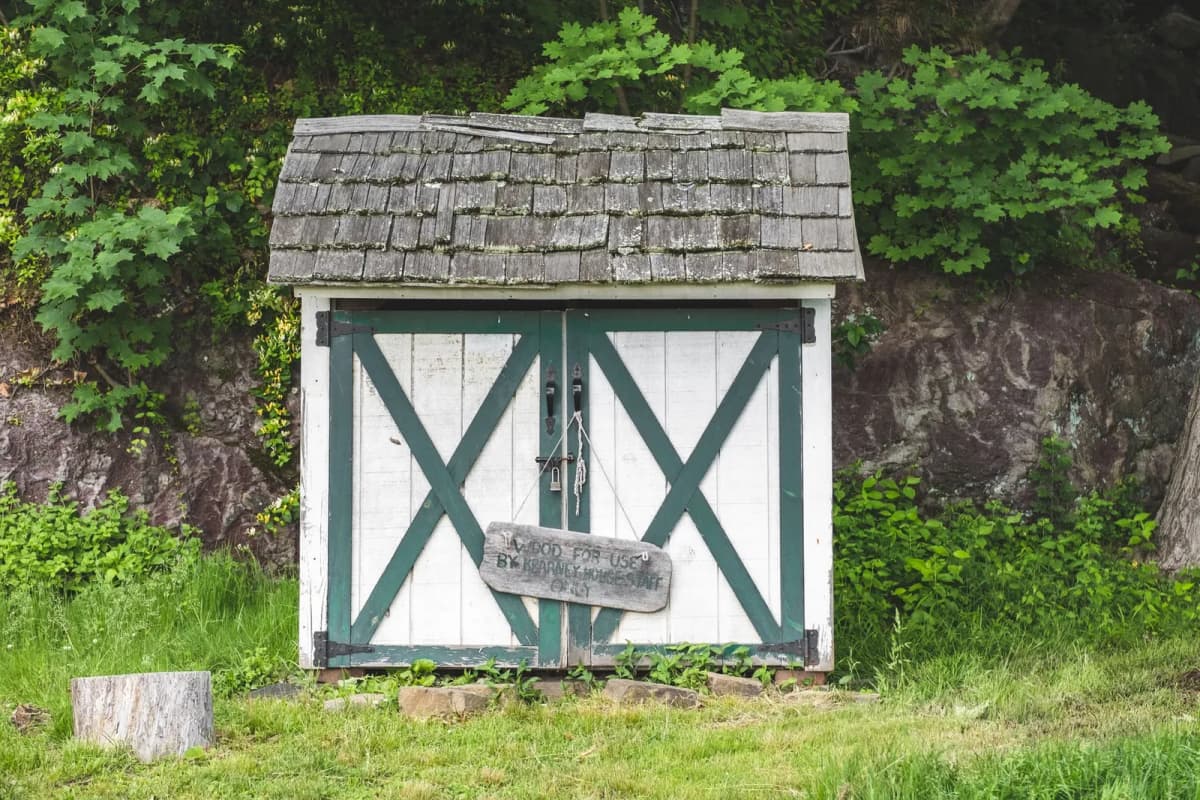
Photo by Malcolm Garret on Pexels
When the ARC can't tell which side a project falls on, ask the owner to submit a request and decide it on paper.
What the board writes down
Owners follow the line more easily when they can see it. Put it in the architectural guidelines in plain words, with examples from your own community. List the projects that need a request and the ones that don't. If the declaration allows pre-approved options, such as a set of paint colors by name, list those too.
When an owner does submit, the request needs enough detail for a decision: a description, the location on the lot, materials and colors, and dimensions. What goes in an HOA ARC application walks through the full form. For how the ARC then reviews and answers requests, see how to handle HOA architectural review requests faster.
When the declaration's wording on what needs approval is unclear, the association's attorney reads it before the ARC relies on it to deny anything.
The request form in HOA-OS
HOA-OS gives the board an ARC committee workflow: each owner's change request goes to the ARC for review. The request form comes from the form builder, whose 12+ field types include file upload for drawings, a dropdown for the approved colors and a signature line. Submissions collect in a submissions inbox, and the declaration and guidelines sit in document storage. The ARC still decides each request.
Sources
- Covenants, Conditions, and Restrictions (CC&Rs) in HOAs: What Homeowners Need to Know, Nolo
- What Homeowners Associations May Regulate, FindLaw
Related Reading
- How to Handle HOA Architectural Review Requests Faster
- CC&Rs Explained: The Rulebook Your HOA Runs On
- How to Amend Your HOA's CC&Rs: A Step-by-Step Guide
Under many declarations, work that restores the exterior to what was last approved is maintenance, and work that changes how the exterior looks needs an ARC request before it starts.