
In many HOA communities, a drainage swale runs along the back of several lots and a utility box sits in someone's side yard. Owners tend to notice these things on the day they want to plant a hedge or put up a fence, and the question comes to the board: what is an easement on property, and who gets to use, cross or maintain it?
Easements often appear in the same recorded paperwork as the covenants or on the recorded plat, and the two work together. The declaration's articles, and how they're organized, are in our guide to CC&Rs. The answers for your own community come from your declaration, the recorded plat and your state's law.
What is an easement
FindLaw's overview of easements defines an easement as "a property right that gives the easement holder a limited legal right in land owned by someone else." The holder can use the land for a specific purpose. The holder doesn't own it, and the lot stays the owner's property.
Nolo's plain-English law dictionary describes it as a legal right to use another person's real estate for a particular purpose. According to Nolo, the most common one is a right of way, meaning a right to travel across another's land. Owners also often grant easements for utility poles, utility trenches, and water or sewer lines. An easement may cover a specific path, or it may allow use at any reasonable location.
A covenant in the declaration limits what an owner can do on their own lot. An easement lets someone else use part of that lot. Both can stay attached to the land when it sells. Why a covenant does is the subject of our post on equitable servitudes.
Easements a single-family or townhome community usually has
Utility easements let utilities run power lines and plumbing through private land, according to FindLaw. In many subdivisions they appear as strips along a lot line where cables, pipes or meters sit.
Drainage easements let stormwater move across lots toward a pond, a swale or a storm drain. Many declarations reserve them so the association can reach the drainage path and keep it clear.
Access easements let someone cross a lot. FindLaw calls this kind a right-of-way easement. In a community, that can mean a neighbor reaching a shared driveway, owners walking a path to the common area, or the association's crew reaching a fence or pond.
The recorded plat is the subdivision map filed in the county land records, and it often shows easement strips along lot lines. Many declarations also have an easement article that reserves easements for utilities, drainage, maintenance access and the association's own work. A deed or a separate recorded easement document can add others.
FindLaw notes that easements are recorded with the county clerk or register of deeds, and that "recorded easements will show up during a title search." A title search is a review of the county land records, usually done before a sale closes. A buyer who never looked at the plat can still be holding a lot with a utility strip across the back.
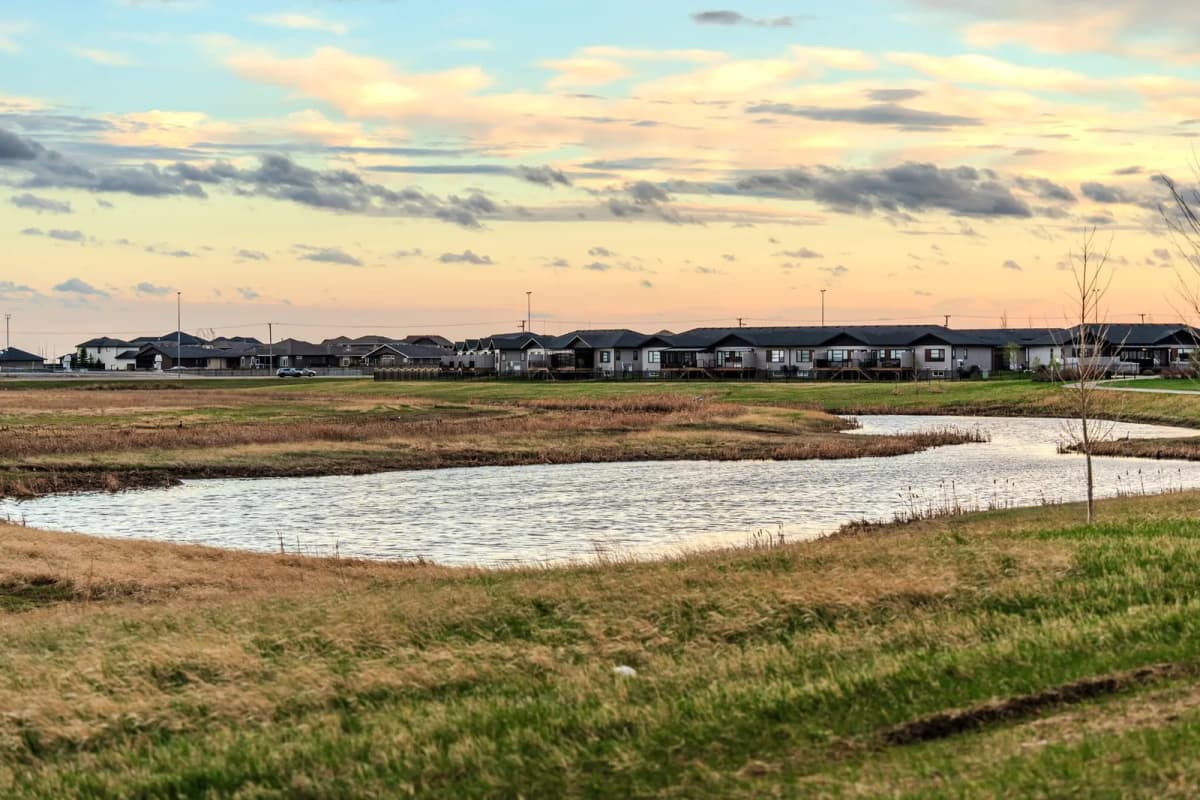
Photo by Rajesh S Balouria on Pexels
Appurtenant easements and easements in gross
FindLaw sorts easements by who they benefit. An appurtenant easement benefits a particular property, and it generally passes to the next owner of that property, even if the deed doesn't mention it. An easement in gross benefits an individual. In FindLaw's words, "Easements in gross do not run with a person's land, so they do not pass to new owners in the future." Some states allow transfers of easements in gross, especially for commercial uses like pipelines and railroads.
Suppose two townhomes share a driveway, and one owner crosses the neighbor's lot to reach a garage. If that right is an appurtenant easement, it generally stays with the home when it sells, and the new owner keeps using the driveway. A right held personally by the old owner may not carry over the same way. The wording of the recorded document usually tells you which kind you have.
Courts can also recognize easements nobody wrote down. An easement of necessity is one a court implies, often to give a landlocked property access. A prescriptive easement can arise from continuous use over time. Except for implied and prescriptive easements, FindLaw says creating an easement requires a writing, usually a deed or another written document.
Who maintains an easement area
FindLaw states the general rule plainly: "The dominant estate holder is responsible for maintaining the easement." The dominant estate is the property the easement benefits.
HOA documents often change that default. Depending on how they're written, the declaration's maintenance article, the notes on the plat or the easement document itself may assign a drainage swale to the association, a shared driveway to the owners who use it, or the mowing of a utility strip to the lot owner. Read those documents first, then decide who pays.
Write the result down where owners can find it. Our post on who fixes what walks through how a board splits upkeep between the association and owners, and easement areas belong on that same list.

Photo by Magic K on Pexels
What the board can and can't approve near an easement
An owner usually can't build a fence, shed or patio that blocks a recorded easement. The holder has a right to use that ground, and a structure in the way interferes with it. Easements that allow use at any reasonable location make the question harder, since no strip on the map shows where the holder may need to go.
The architectural review committee (ARC) is the board's checkpoint. Before the ARC approves a fence, shed or addition, it should pull the plat for that lot and look for easement strips along the lines where the owner wants to build. The HOA ARC and what it controls covers how the committee reviews requests, and an easement check fits into that review.
When a proposed structure crosses an easement, the board's choices depend on the declaration and on the easement's wording. Those documents may let the board attach a condition to its approval or ask the owner to move the fence. On a contested request, ask the association's attorney to read the easement's wording alongside the declaration before the board votes.
HOA-OS stores the recorded plat beside the declaration, and a search box finds either by title. Fence and shed requests come in through the ARC workflow: the board builds the request form, each submission lands in the committee's inbox, and the committee reviews it against the plat before it answers.
Sources
- What Is an Easement in Real Estate Law?, FindLaw
- Easement, Nolo
Related Reading
- HOA Maintenance Responsibilities: Who Fixes What
- The HOA ARC: What the Architectural Review Committee Is and What It Controls
- HOA Landscaping Contracts: Your Biggest Line Item
Lay the proposed fence line over the recorded plat for that lot; if it crosses an easement strip, the request needs a closer look.