
An HOA has two lives. One is the community: the pool schedule, the landscaping contract, the neighbor who parks on the grass. The other is the corporation: an entity on file with the state that owns the pool, signs the contract and sends the notice. Boards spend nearly all their time on the first life and discover the second when something in it has already gone wrong.
This playbook is the second life on one page. Each item links the post that covers it in full.
1. Know what the entity is
The association is usually a nonprofit corporation, created by a filing with the state before the first lot sold. It owns the common areas; members own their lots subject to the recorded covenants; the board members are its directors, with a director's duty of care, and the corporate form is what generally keeps a judgment against the association from becoming a personal judgment against a director or an owner. Your HOA Is a Corporation. Here Is What That Means covers all of that, and the filing guide covers how the entity was created.
Check: pull the entity record from the state's business registry. Confirm the status reads active. Write down the exact legal name.
2. Have the articles, and read them once
The articles of incorporation are short and they're on file with the state, which is where to get a copy when the board's own has gone missing. How to Find Your HOA's Articles of Incorporation walks the registry search, the name problem and the certified copy. What HOA Articles of Incorporation Actually Contain walks each section and explains why the document is so much shorter than the CC&Rs.
Check: the articles and every amendment are in the board's document library. The registered agent, the director count and the membership classes in them match how the board actually runs.
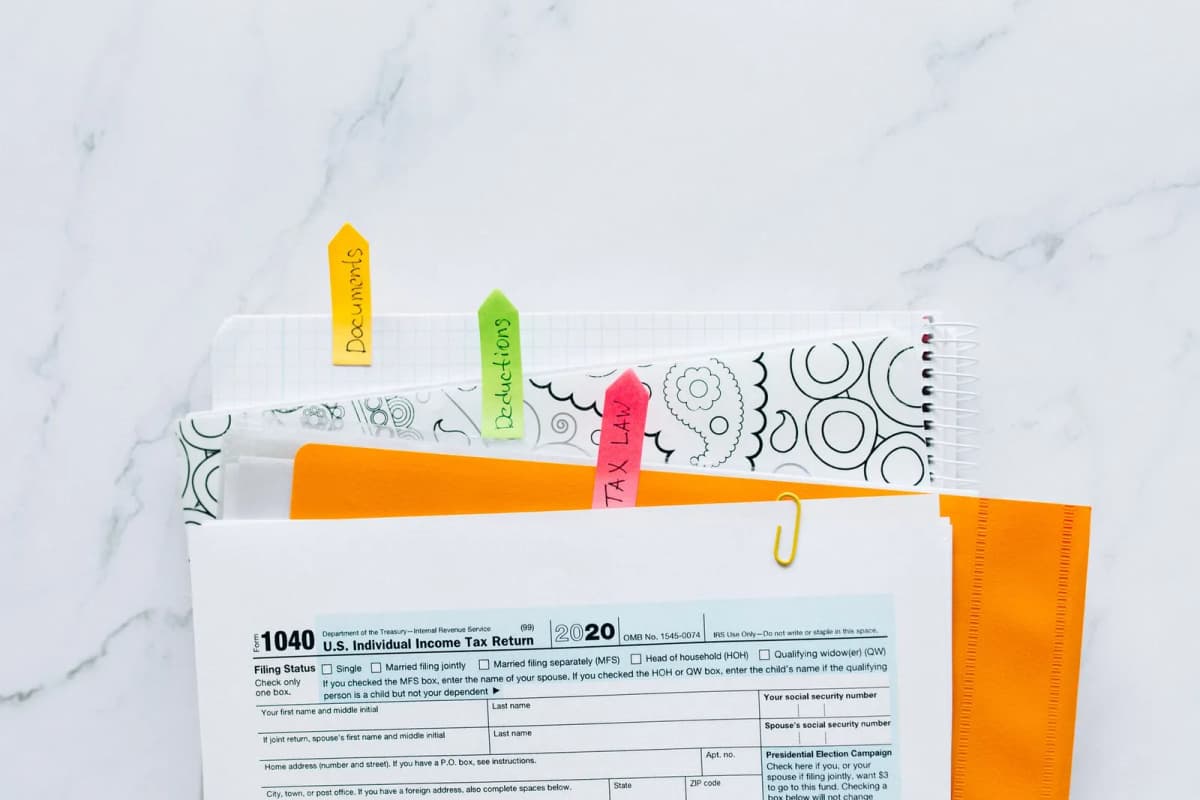
Photo by Nataliya Vaitkevich on Pexels
3. File the annual report and keep the agent current
States generally want a short periodic report, on a schedule that varies, a fee, and a registered agent at a real address. The agent line is the one that fails: a director named as agent moves away, nobody files the change, and the state's notices and the courts' summonses go to a house the association no longer has anyone in. HOA Annual Reports and Staying in Good Standing covers the filing, the windows and the trap.
Check: the next report's due date is on the board calendar with a reminder a month out. The registered agent named on the registry still lives at that address, or the board has named a registered-agent service.
4. Know what a lapse does, and how to undo it
Miss the report or lose the agent for long enough and the state administratively dissolves the corporation, often after a notice that went to a stale address. The covenants generally survive it; the entity's ability to sue, contract and insure cleanly doesn't. Reinstatement is generally an administrative filing, and in many states it relates back so the gap disappears on paper. What Happens When an HOA's Corporate Status Lapses covers the grounds, the effects and the route back.
Check: if the registry status is anything but active, stop, call the association's attorney, and file the reinstatement before doing anything else on this list.
5. File the federal return
Good standing with the state is half the picture. The association also files a federal income tax return every year, even in a year it owes nothing. The IRS page on homeowners' associations describes the two routes: an association can seek recognition as a social welfare organization under 501(c)(4) if it meets that section's tests, including that the areas it maintains are open to the general public; otherwise a residential real estate management association "generally may elect under the provisions of Code section 528" to exclude its exempt function income and file Form 1120-H. Which route fits, and whether section 528's income and expenditure tests are met, is the association's CPA's call.
Check: the treasurer can name the form filed last year and the date it was filed, and the CPA relationship is written down somewhere other than the treasurer's memory.
6. Keep the records the corporation is required to keep
State nonprofit acts, and many community association acts, generally require the corporation to keep a core set of records: articles and amendments, bylaws and amendments, minutes of member and board meetings, the membership roll, and the financial records, and owners can usually inspect most of them. Records are also what makes every other item on this page provable: the minutes show the report was filed, the roll shows who was entitled to vote, the financials show what the assessments paid for.
Check: the retention schedule is written down and the last three years of minutes exist as documents.
7. Use the right amendment route
Changing the articles is a corporate filing: often the board alone for housekeeping, the members at the documented threshold for the rest, and a short articles of amendment delivered to the state. Changing the CC&Rs is a recorded instrument: the owner vote the declaration sets, documented the way the declaration requires, and a recording at the county. Amending HOA Articles vs Amending the CC&Rs sets the two side by side.
Check: before scheduling any amendment vote, the board has identified which document the provision lives in and read that document's own amendment clause.
8. Get the board trained on the entity, not just the community
New directors learn the pool rules in a month and the corporation in a crisis. CAI's homeowner education page offers a free Community Association Living course covering how associations "are organized, governed, and managed," and a Board Leader Certificate course whose first module is "Governing Documents and Roles & Responsibilities," described as helping a director "understand the legal authority for your association." Either would have helped with most of the situations described in this series.
Check: every director has read items 1 and 2 above, and one director owns items 3 through 7 by name.
The order matters

Photo by cottonbro studio on Pexels
Run the list top to bottom. A board that starts by amending the CC&Rs while the corporation sits dissolved has done the hard vote for an entity that can't record it; a board that confirms active status first, fixes the agent, files the report, then turns to the records and the amendments has done things in the order the state cares about. The complete roadmap for starting and running an HOA puts this corporate layer alongside the operational one.
Related Reading
- Articles of Incorporation for an HOA: What They Are and How to File Them
- The Complete Roadmap for Starting and Running an HOA From Day One
- HOA Document Retention: What to Keep and How Long
- Your First Homeowner-Controlled Board: The First 90 Days
Boards that keep the documents, the calendar and the minutes in one place every director can open do that on HOA-OS, and the 30-day trial includes the full package with no credit card. Print this list, date it, and put it in the minutes the day the board runs it.