
Owners in a new community often assume the association is theirs from the day they close. For a defined stretch at the beginning of an association's life, the developer runs it, and the governing documents say so in writing.
That stretch is the declarant control period. It has a start, an end and a set of powers attached, and most homeowners meet it for the first time in an argument about something else. For the full arc of the handover, start with how a community changes hands at developer turnover.
Where the power comes from
The declaration recorded against your neighborhood created the association and named a declarant. That's the developer, and the declarant's rights are written into the same document that created your obligations.
Appointing and removing the board. During the control period the declarant names the directors and officers and can replace them at will. Owners don't elect those seats and can't remove them.
Voting weight. Most declarations allocate votes by lot, and the developer holds a vote for every lot it hasn't sold. In a 200-lot community with 40 homes closed, the developer controls 160 votes against the owners' 40. That margin decides amendments, budgets and anything else that goes to a membership vote.
Contracting. The board the developer appointed signs the association's agreements: landscaping, pool service, management, sometimes utility easements that run for decades.
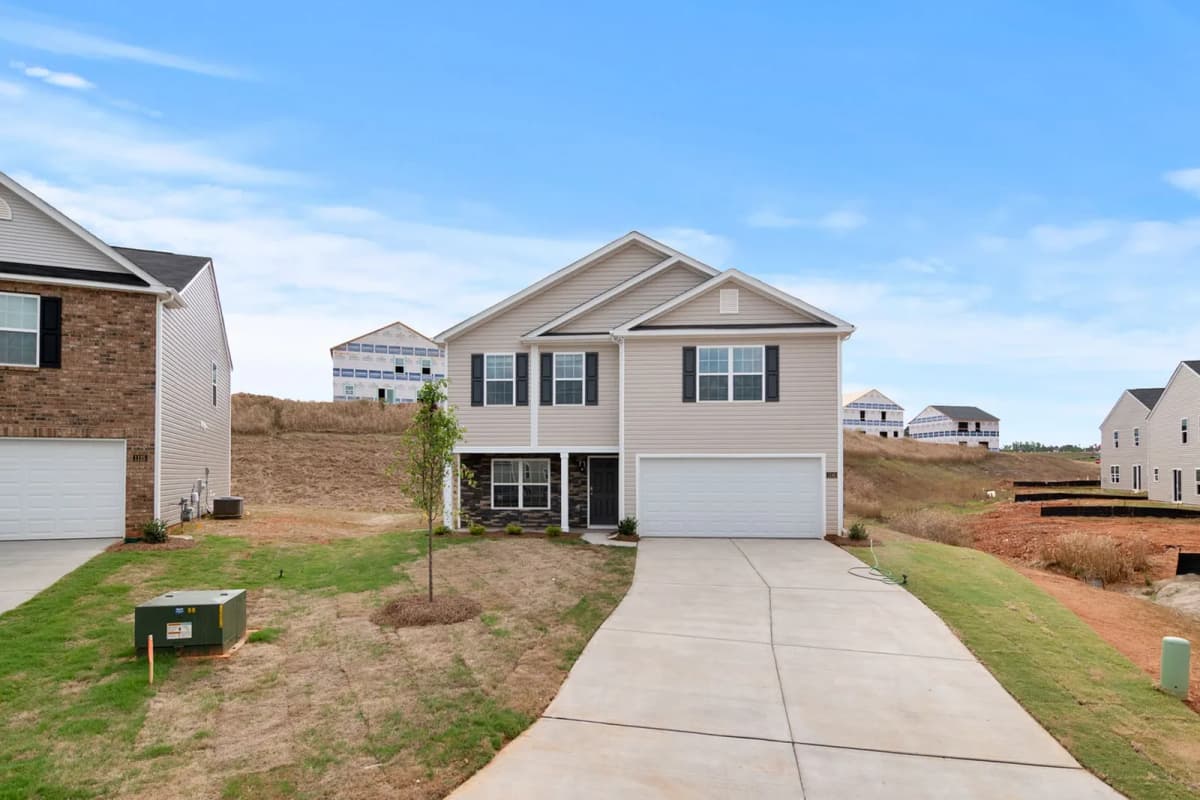
Photo by Curtis Adams on Pexels
What the developer can't do
A developer-appointed board is still the board of a corporation, and that carries obligations that don't switch off because the directors got their seats by appointment.
Under North Carolina's Planned Community Act, a lot owners' association must be incorporated no later than the date the first lot in the community is conveyed, and every association created after the Act took effect has to be organized as a nonprofit corporation. The association exists as a corporate body from the first closing, whoever happens to be sitting on its board.
Cornell's Legal Information Institute defines fiduciary duty as a legal obligation placed on someone given authority to act on behalf of another person or entity, requiring them to act in that party's best interests and not for their own personal gain. The duties break into obedience, loyalty and care, and the page states that directors of corporations are charged with them.
Read together with the corporate structure, those duties mean a developer running an association through its appointees isn't free to run it purely for the sales operation. Some state acts spell that out for community associations in their own words.
Whether a particular decision crossed the line is a question for an attorney who can read your documents and your state's cases.
The staircase onto the board
Owners don't go from zero seats to every seat in one day. Many state acts build a staircase, tied to how many lots have sold.
At roughly a quarter of the lots conveyed to owners other than the developer, at least one seat and a set fraction of the board must be elected by those owners. At about half, the owner-elected fraction rises again. At around three quarters, the control period ends and the owners elect a full board, a majority of whom must be owners other than the declarant.
Your numbers and your deadlines come from your own declaration and your own state act. Find both before the first sales threshold arrives. A seat you're entitled to and didn't claim looks identical to a seat you were never offered.
When the seats do open, the mechanics are ordinary association mechanics: notice, quorum, ballots and a count that holds up. If your community has never run one, how HOA board elections are supposed to work covers the ground.

Photo by RDNE Stock project on Pexels
Where the period ends
Where a state act sets an outer limit, the declaration can't exceed it. The common formulation ends the control period at the earliest of a sales percentage, a period measured from the developer's last sale in the ordinary course of business, and a period measured from the last exercise of a right to add units.
A developer may also surrender control early. When it does, it usually keeps a narrower right for the rest of the original period: the ability to approve or veto specified actions of the board, described in a recorded instrument. Owners who read "the developer turned the association over" as "the developer is gone" sometimes meet that reserved approval right in the middle of a decision it applies to.
What to do while you're still inside it
Get copies of the declaration, the bylaws, the articles and every recorded amendment, and keep them somewhere the whole board can reach.
Ask, in writing, for the association's financial statements and the reserve balance, and keep the answers.
Note the expiry date on every service contract the developer signed. The ones that renew quietly are the ones that outlive the developer.
Related Reading
- HOA Developer Turnover: How Your Community Changes Hands
- What Is a Declarant in an HOA? Meaning, Rights, and Control
- HOA Board Elections: How They're Supposed to Work
- HOA Board Members: Who Does What (and Why It Matters)
Two dates govern the end of declarant control, one in your declaration and one in your state's act. The earlier of the two is the one that governs.
Document storage and an owner directory come with every HOA-OS plan; dues collection, voting and board-packet generation start at Community. See what each plan carries.