
Every homeowners association in a newly built neighborhood starts life under the control of the company that built it. The builder writes the CC&Rs, files the paperwork, appoints the board and sets the first budget, all before a single owner moves in. At some point that arrangement ends and the people who live there take over.
Most governing documents call the handover turnover or transition, and most owners don't hear the word until it arrives.
The declarant is the developer, wearing a legal hat
The recorded declaration that created your association names a party called the declarant. In practice that's the developer or builder, and the declarant holds a set of rights the ordinary owner never gets: the right to appoint and remove board members, the right to add land or lots, and a vote for every lot it hasn't sold, which for most of the build-out outweighs everybody else combined.
Somebody has to run an association that has three houses sold and two hundred still to build, and the only party with a stake in all two hundred is the builder. The arrangement is designed to end, and the clause that says when it ends sits in a document nobody has opened.
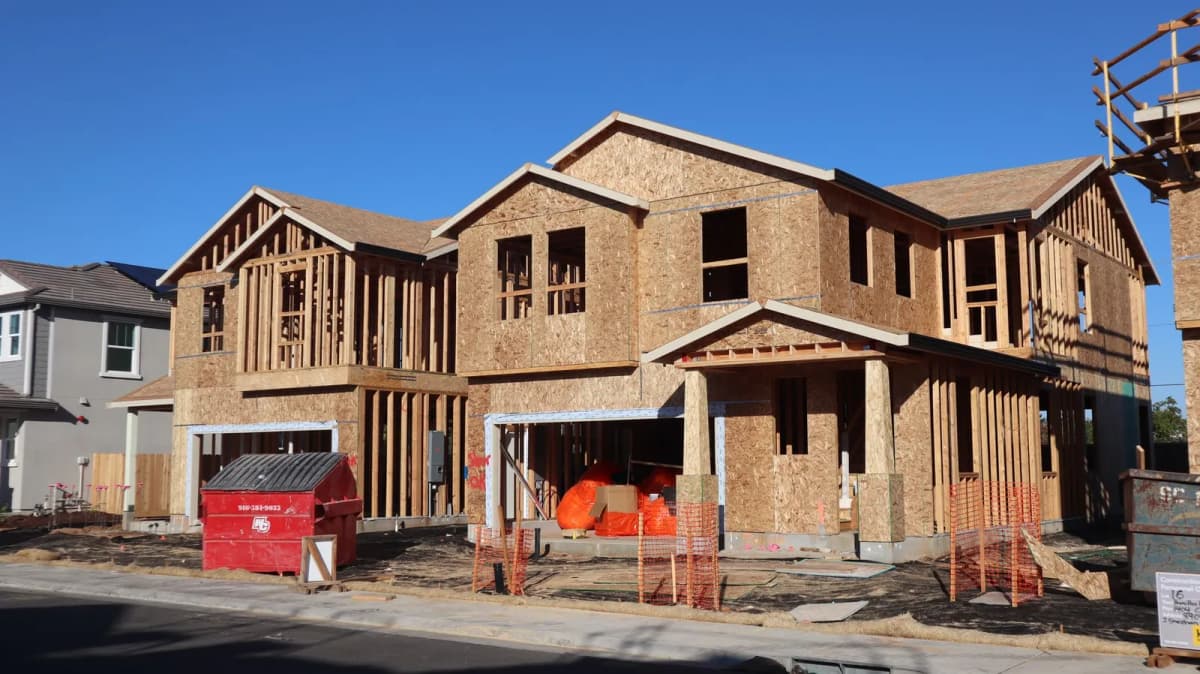
Photo by D Goug on Pexels
What ends the control period
Your governing documents end it, and so does your state statute. Whichever comes first wins, and the statute usually sets a ceiling the documents can't exceed.
Under the Colorado Common Interest Ownership Act, a period of declarant control terminates no later than the earliest of three triggers: sixty days after 75 percent of the units that may be created have been conveyed to owners other than the declarant, two years after the developer's last sale in the ordinary course of business, or two years after the last time it exercised a right to add units. The same section requires partial owner representation on the way there. Once 25 percent of the units have sold, at least one board seat and a quarter of the board must be elected by owners other than the declarant. At 50 percent, that rises to a third.
Your state will use different numbers, and states with an act modeled on the same uniform law use the same structure: a sales percentage, a time limit measured from the last sale, sometimes a recorded surrender by the developer, and a staged path onto the board before full control arrives. Read your declaration first, then check it against your state's act, and treat the earlier date as the real one.
A developer can also give up control voluntarily and often does, sometimes because sales stalled and sometimes because running an association isn't what it wants to be doing. Voluntary surrender usually comes with a condition attached, a reserved right to approve specified actions for the rest of the original period.
What changes hands
Turnover is a delivery, and the list is long.
The association gets the recorded declaration and all amendments, the articles of incorporation, the bylaws, the minute books, and any rules the developer adopted along the way. It gets the money, which means both the bank balances and an accounting of every dollar that has moved since the association first received funds. In Colorado the developer also has to hand over an audit of those accounts by an independent CPA, at the developer's expense rather than the association's.
Boards forget to ask for the rest: the plans and specifications used to build the common areas, certificates of occupancy, permits issued in the last year, every insurance policy in force, the unexpired warranties from the contractor, the subcontractors, the suppliers and the manufacturers, the owner roster, the employment contracts, and every service contract the association is a party to or is paying for.

Photo by RDNE Stock project on Pexels
That last category is where new boards discover their inheritance isn't free. The landscaping contract, the pool service, the management agreement: the developer signed all of them, sometimes with parties it had a relationship with, and the association is now paying the bill.
The four documents that outrank each other
Nolo's plain-English guide to an association's basic governing documents lays out the order. The articles of incorporation are short and mostly formal, naming the association and its purpose. The bylaws describe how the association runs itself, including voting procedures, meeting requirements and board terms. The declaration of covenants, conditions and restrictions is the long one, defining what land is subject to the documents, what the association owns, and what owners may and may not do with their property. Rules and regulations sit underneath, adopted by the board and limited by everything above.
The guide puts the CC&Rs on top: where another governing document conflicts with them, the CC&Rs win and the conflicting provision is treated as invalid. A developer-era rulebook and a developer-era declaration were written years apart and don't always agree.
Where the handover goes wrong
The common failures aren't dramatic. A board takes office without asking for the warranty file, and finds out three years later that the roof warranty expired unclaimed. Nobody requests the reserve account balance in writing, so there's no baseline to measure against. The declarant-era service contracts roll over because no one read the cancellation terms.
Every one of those starts as a records problem. If your association can't produce the document, the association doesn't effectively have it, which is the same standard that applies when an owner asks to see the records.
Related Reading
- What Is a Declarant in an HOA? Meaning, Rights, and Control
- HOA Records Requests: What Your Board Must Provide
- What Every New HOA Board Member Needs to Know Fast
- CC&Rs Explained: The Rulebook Your HOA Runs On
Find the turnover clause in your declaration and write the date on the front of the file.
Every HOA-OS plan opens with a 30-day trial of the full package and asks for no credit card, which is long enough to load a turnover file and see whether it holds.