
Nobody sets out to run a bad special assessment. Boards get there by making six or seven individually reasonable decisions in the wrong order, and then discovering that the community has stopped arguing about the roof and started arguing about the board.
This is the failure inventory. Each item is something that goes wrong late, paired with the thing that would have prevented it early.
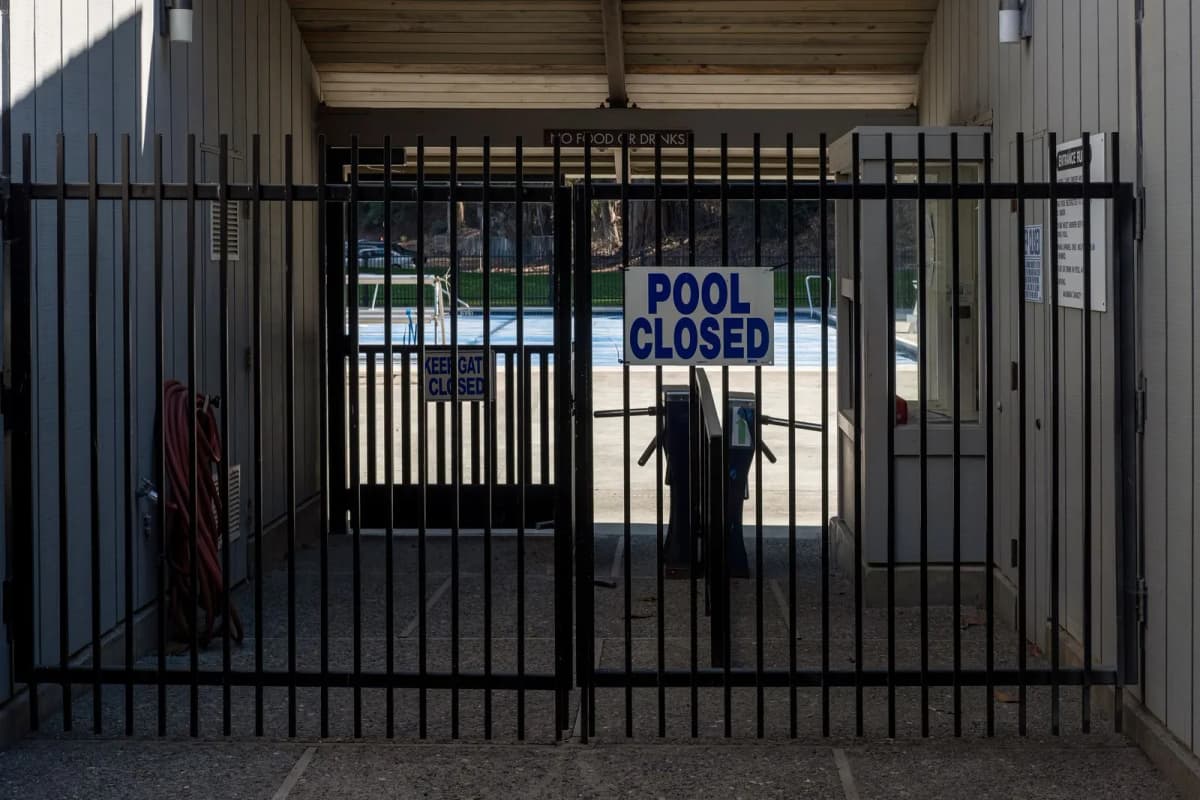
Photo by David McElwee on Pexels
Failure one: the assessment nobody saw coming
The most damaging special assessments are not the largest ones. They are the ones that arrive with no warning in a community where dues have been kept artificially low for a decade.
Underfunded reserves are the mechanism. Association Reserves measures reserve strength as percent funded, the ratio of what an association has set aside to what it should have set aside, and puts associations below 30 percent funded at high risk of special assessments and deferred maintenance, with assessments becoming rare above 70 percent. A board that knows its number can tell owners years in advance that this is coming. A board that has never had a reserve study finds out the same week the owners do.
Prevented by: a current reserve study and an honest funding plan, which are also the two things that make a dues increase defensible before the emergency rather than after it.
Failure two: the process nobody can defend
The assessment gets challenged, and the challenge is not about whether the work was needed. It is about whether the board had authority, whether owners got proper notice, and whether the vote followed the documents.
FindLaw's overview of homeowners association disputes notes that disagreements between owners and boards are common but usually resolvable without litigation. The ones that are not tend to be the ones where the board cannot answer a procedural complaint out of its own records.
Prevented by: reading the declaration before the vote, giving the notice period the documents require, and recording the vote in the minutes with the count. Covered in what your documents and state law require.
Failure three: the number that lands cold
Owners hear the amount for the first time in the notice. There was no informational meeting, no packet, and no explanation of why the reserve fund could not cover it. The board is now defending a decision to people who believe it was made in private.
Prevented by: announcing the problem before the number, holding a meeting whose only job is answering questions, and writing a notice that leads with what the money buys. Covered in how to break the news.
Failure four: the payment structure that guarantees delinquency
A four-figure assessment is due in sixty days as a lump sum, because the board thought of the payment terms as a formality. A quarter of the community cannot produce that amount in that window. Now the board is running a collections operation against neighbors who were willing to pay.
Prevented by: designing the schedule alongside the number, offering installments on anything large, and checking whether your state already requires an installment option. Covered in what actually works.
Failure five: the coverage nobody mentioned
The assessment follows a large insurance deductible, and it turns out some owners could have had part of their share absorbed by loss assessment coverage on their own policy. They find out afterward. The board did not know either, which is a fair defense and not a satisfying one.
Prevented by: telling owners once a year that the coverage exists and is worth checking, which costs a board nothing and only works if it happens before the loss. Covered in the endorsement owners miss.

Photo by Cup of Couple on Pexels
Failure six: the record that does not survive the board
Two years pass. The treasurer who ran the collection has moved. An owner disputes a balance, a title company asks for a payoff figure, and the current board cannot produce either quickly because the record was a spreadsheet on a laptop.
This one is quiet, and it is the one nobody budgets for. It does not blow up a project. It just means the community pays for the same information twice.
Prevented by: keeping the assessment on a shared per-home ledger from the first payment rather than the first dispute. Covered in the real cost of running it on a spreadsheet.
The pattern underneath all six
Every failure here is a documentation failure wearing a different costume. The reserve study that was never done, the notice that cannot be proven, the packet that was never assembled, the payment schedule that was never written down, the annual reminder that never went out, the ledger that lived on one machine.
None of them are about money. A community that can afford a six-figure roof can afford it whether or not the board keeps good records. What good records buy is the ability to answer a question in front of a skeptical owner, which is the entire difference between an assessment that gets paid and an assessment that gets fought.
That is also why this gets harder as boards turn over. Institutional memory is not a thing a volunteer board has. It is a thing a volunteer board either writes down or loses.
If the checklist version of all this is more useful than the failure version, start with the 12 steps before the first notice goes out.
Writing it down is the whole job, and it is the part that gets dropped first when the work is spread across a spreadsheet, an inbox and somebody's filing cabinet. HOA-OS exists so the record outlasts the people who made it.
Sources
- What Exactly is Percent Funded?, Association Reserves
- Homeowners Association Disputes, FindLaw