
A contract on a home in your community is between two people, neither of whom sits on your board. The association shows up exactly once, in the form of a document request.
Each of the six failures below is a record that should exist, doesn't, and gets discovered by a title company on a deadline.
One: a balance nobody can substantiate
The certificate has to state what the lot owes. That figure has to be right, because in several states the statement binds the association. North Carolina says the statement of unpaid assessments "is binding on the association, the executive board, and every lot owner."
A board reconstructing a balance from a bank register and a spreadsheet is producing an estimate and certifying it as a fact. The usual failure is a payment plan agreed in a meeting, applied inconsistently, and never written into the ledger.
The accounting tool that catches this is older than any software a board will shop for. An accounts receivable aging, as AccountingTools defines it, is "a report that lists unpaid customer invoices and unused credit memos by date ranges," and it "is the primary tool used by collections personnel to determine which invoices are overdue for payment." A board that can produce one for its own community can answer a resale request in minutes.
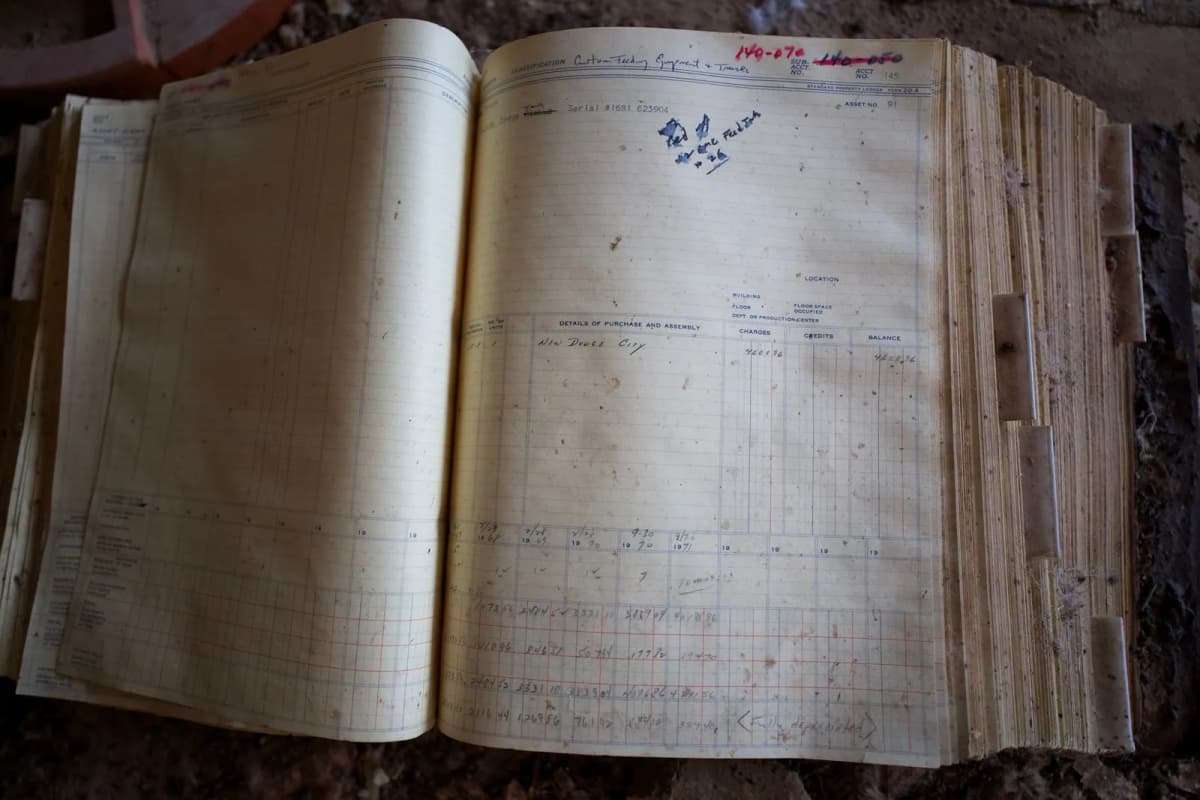
Photo by Strange Happenings on Pexels
Two: a lien that exists on paper and nowhere else
Boards vote to lien a delinquent lot, an attorney is instructed, and then nobody closes the loop on whether the instrument was actually recorded with the county. The board believes the lien exists. The title search either finds it or doesn't.
Both outcomes cause trouble. A recorded lien the board forgot about surfaces at closing and has to be released, which takes days the contract may not have. An instrument the board assumed was recorded and never was may leave the association with a weaker claim than it thought, and whether the arrears follow the lot to the new owner depends on the declaration and on state law.
The check is unglamorous: for every lot the board has ever voted to lien, hold the recording confirmation in the file next to the resolution. Our walkthrough of how HOA liens work covers the sequence.
Three: minutes nobody can find
Special assessments, fee changes, and rule adoptions all live in board minutes, and the certificate frequently has to report them. California's transfer disclosure form even lists twelve months of regular board meeting minutes as a line item the buyer can request.
When minutes are incomplete, a board is reduced to certifying that a special assessment was approved without being able to show when, by what vote, or on what terms. Minutes that record the vote belong in the same file as everything else the association owes a buyer.
Four: the wrong version of the governing documents
The association amended its CC&Rs, recorded the amendment, and kept emailing the old PDF because that's the one in the folder. The buyer receives a rulebook that no longer governs the property, and the seller signs a disclosure saying it does.
Keep exactly one current copy of each governing document in one place, and delete nothing. The superseded version still matters for anything that happened while it was in force.
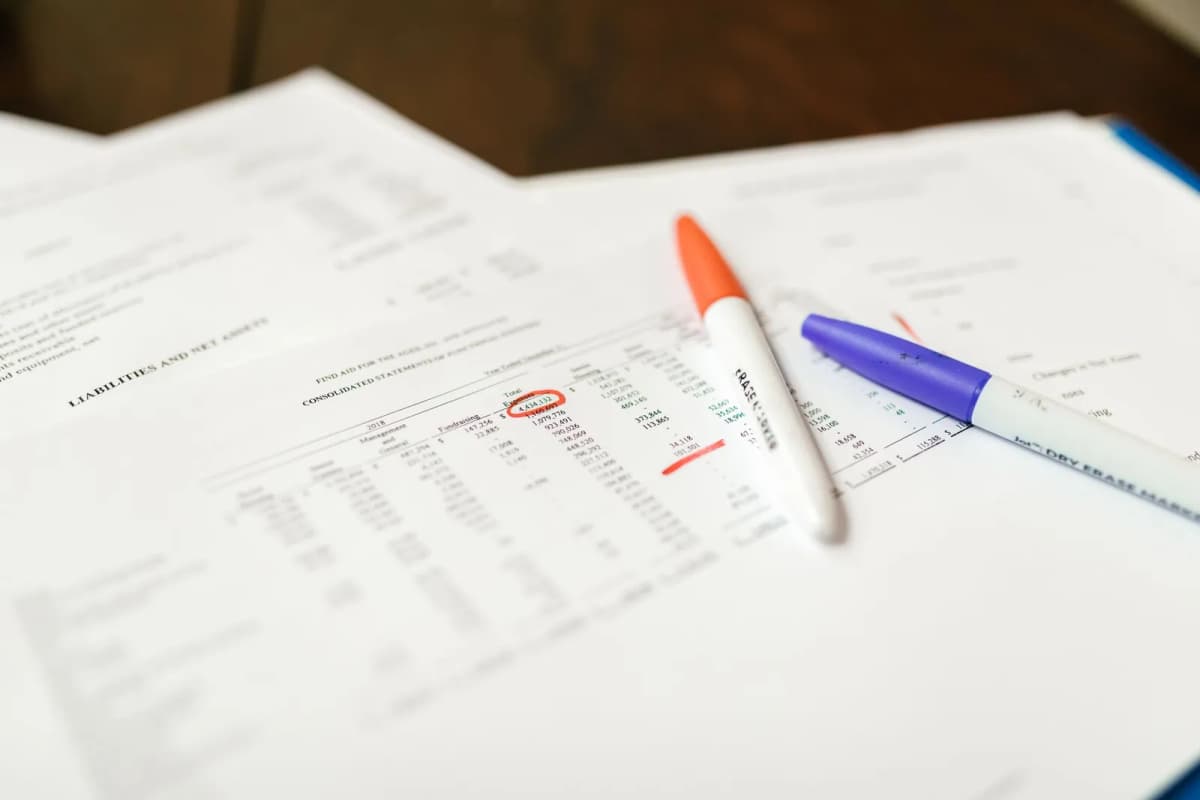
Photo by RDNE Stock project on Pexels
Five: a violation nobody logged
Texas requires the certificate to disclose "a description of any conditions on the owner's property that the property owners' association board has actual knowledge are in violation of the restrictions." Actual knowledge is the standard, and it attaches to the board.
If a violation notice went out last spring from one director's personal email and was never recorded anywhere the board can see, the association has actual knowledge it can't retrieve. The certificate omits it.
Six: no proof behind the numbers
The certificate reports a balance, a budget, reserves, and unsatisfied judgments. Everything on that list is a claim the association may have to support.
The IRS puts the general principle this way: "You must keep your records as long as needed to prove the income or deductions on a tax return," and "The responsibility to substantiate entries, deductions, and statements made on your tax returns is known as the burden of proof." The recordkeeping guidance is written for tax filings, and the habit it describes is the one a resale certificate depends on.
Fixing the six before the next contract
Run an aging on your own receivables and see whether the totals reconcile to the bank. Pull the recording confirmation for every lien the board has voted. Find the last twelve months of minutes and check that each one records the votes taken. Confirm which version of each governing document is current. Put violation history somewhere the whole board can read it. And for each number the certificate will carry, ask what you'd hand somebody who asked you to prove it.
Five of the six are record-keeping problems, and HOA-OS exists to make them readable: violation history and prior transfers sit on the home they belong to, the ledger behind a balance stays intact, and the governing documents live in the same system rather than in somebody's drive. Certificate tooling sits on the Community plan, and every plan opens with a 30-day free trial and no credit card at signup. What's on each is at hoa-os.com/pricing.
Related Reading
- The Real Cost of Running an Assessment on a Spreadsheet
- HOA Financial Statements: How to Read Them With Confidence
- HOA Meeting Minutes: What to Include and Why It Matters
- HOA Records Requests: What Your Board Must Provide
Start with the receivables aging; the other five get easier once the balance is defensible.